Food Preservatives Linked to Higher Blood Pressure and Heart Disease Risk
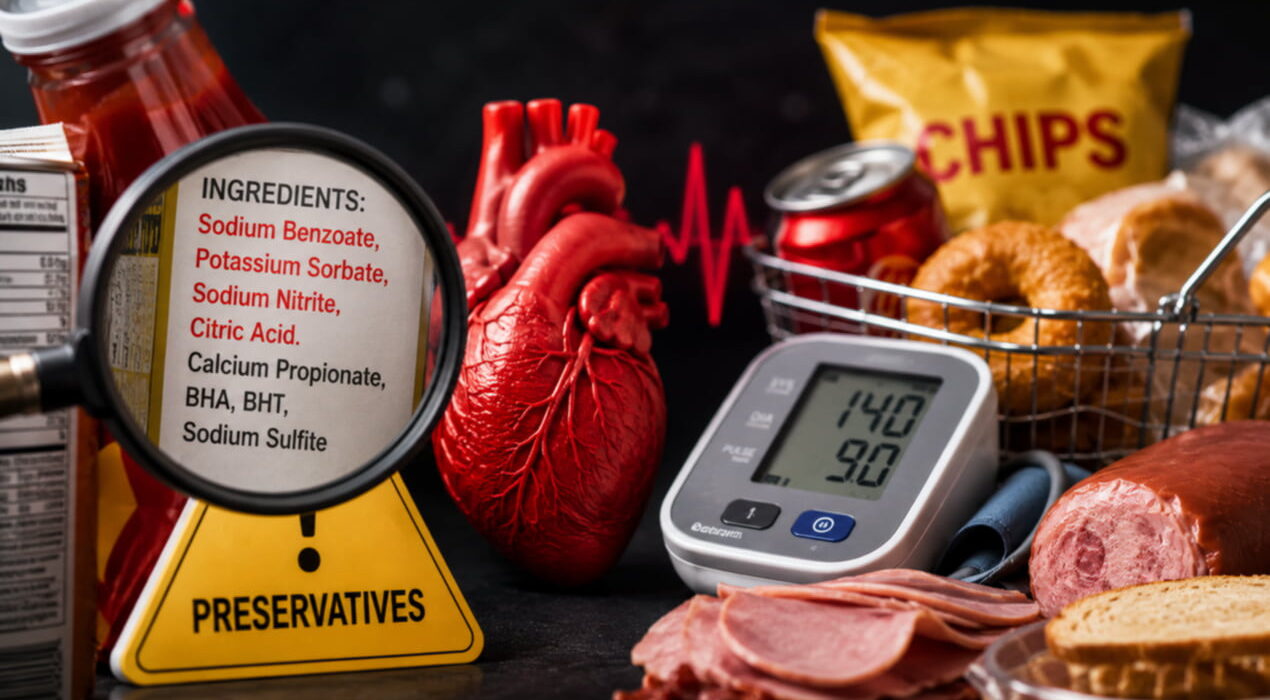
Food Preservatives Risk is drawing fresh attention after a large study linked common food additives with heart health concerns. Researchers found that preservatives in many processed foods may increase the risk of high blood pressure and cardiovascular disease. However, experts say more research is still needed to confirm the long-term effects.
Preservatives Common in Processed Foods
Many packaged foods contain preservatives that help products stay fresh for longer. Ingredient labels often list names such as potassium sorbate, citric acid, and L-ascorbic acid, also known as vitamin C. Manufacturers use these additives to slow spoilage and maintain food quality during storage and transport.
According to Open Food Facts, the world’s largest open food database, more than 20 percent of processed foods and beverages contain at least one preservative. As a result, many people consume these additives every day without realizing it. In addition, processed foods remain popular because they are convenient, affordable, and widely available.
Study Highlights Possible Health Concerns
Researchers examined large amounts of health and dietary information to understand how preservatives affect the body. The findings suggest that regular intake of certain preservatives may contribute to higher blood pressure and increase the risk of cardiovascular disease. However, the study does not prove that preservatives directly cause these conditions.
Experts encourage people to read food labels and choose fresh foods whenever possible. For example, fruits, vegetables, whole grains, and minimally processed meals can support better heart health. Therefore, reducing processed food intake may help lower potential health risks. A balanced diet, regular exercise, and healthy lifestyle choices remain the best ways to protect cardiovascular health while scientists continue studying the long-term effects of food preservatives.