Lung Cancer Nervous System Link May Open New Path to Prevent Cachexia
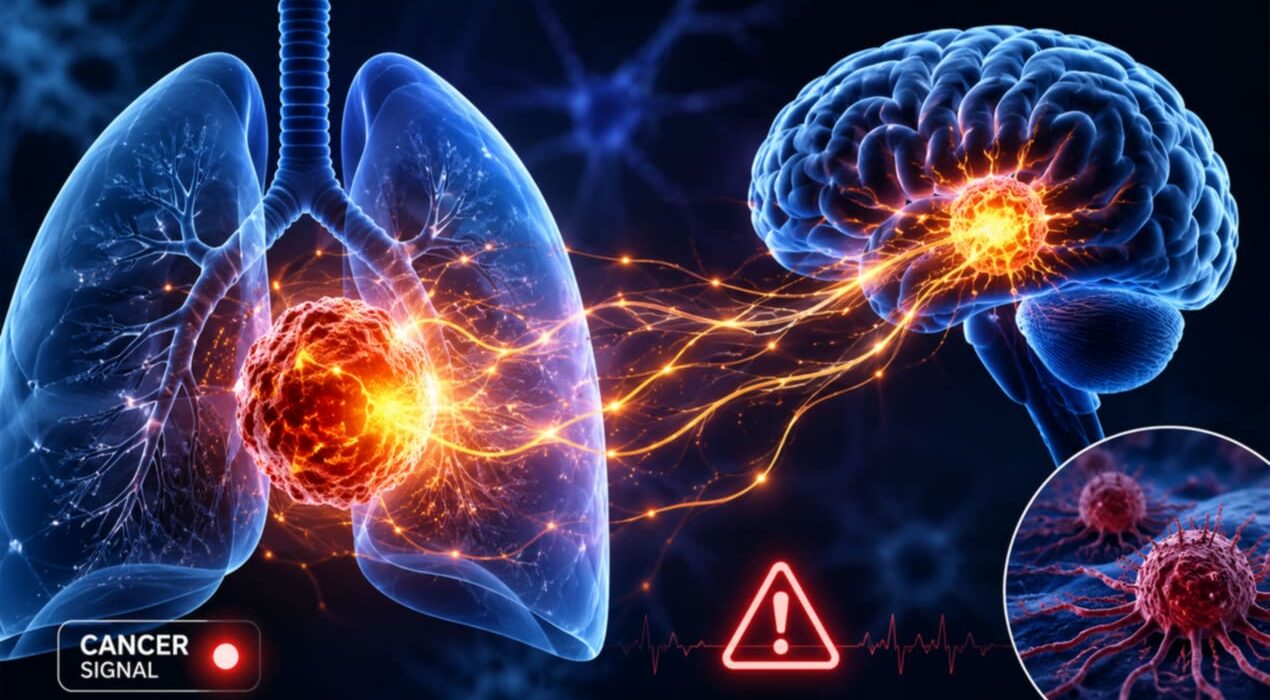
Lung cancer nerves may play a much bigger role in disease than experts once believed. A new study found that some tumors can send signals to the brain through lung sensory nerves. As a result, this process may trigger cachexia, a serious condition that causes severe muscle and fat loss in many people with cancer.
Tumors May Send Signals to the Brain
Researchers discovered that one common genetic subtype of lung cancer was more likely to cause cachexia than others. Instead of acting alone, these tumors appeared to communicate with the brain through sensory neurons located in the lungs. This finding suggests that cancer can influence body functions by using the nervous system.
Scientists also identified prostaglandin E2 (PGE2) as a key signaling molecule. When researchers blocked PGE2 production, cachexia symptoms dropped significantly. In addition, silencing the lung sensory nerves also reduced the harmful effects. These findings point to a promising treatment strategy that targets communication between tumors and the brain instead of the tumor itself.
Diet and Medicines Show Promise
The research team tested different diets to understand their impact. Surprisingly, a high-fat diet made cachexia worse because it increased the body’s ability to produce PGE2. However, switching to omega-3 fatty acids reduced PGE2 production and prevented the condition in laboratory models.
Researchers also found that common medicines, including aspirin and ibuprofen, blocked PGE2 production and reduced cachexia. Therefore, existing drugs may offer future treatment options alongside standard cancer care. However, more human studies remain necessary before doctors change treatment guidelines.
A New Direction for Cancer Care
Scientists now want to identify the exact nerve cells involved in this lung-to-brain communication. They also hope to learn whether the same pathway contributes to depression, memory problems, or other cancer-related symptoms.
Overall, the findings reveal an unexpected connection between lung cancer and the nervous system. If confirmed in future studies, this discovery could improve treatments, reduce cachexia, and help patients enjoy better quality of life during cancer care.