Global Oil Prices Surge Hits Pakistan Economy After US-Iran Talks Collapse
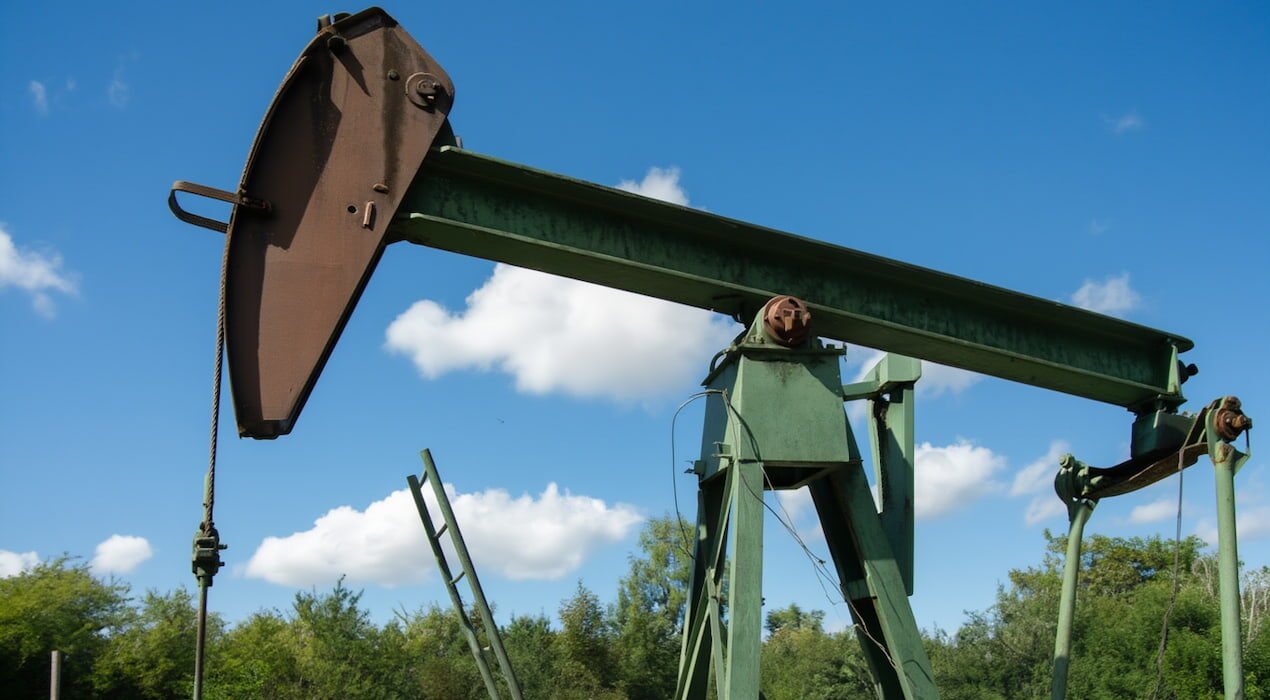
Global oil prices surge has raised fresh concerns for Pakistan’s economy. Prices crossed $100 per barrel after tensions increased. The spike followed failed talks between the United States and Iran. As a result, global markets reacted quickly.
Donald Trump signalled possible restrictions on the Strait of Hormuz. This route carries a large share of global oil supply. Therefore, any threat to it creates immediate market volatility.
Rising Prices and Market Reaction
Oil prices jumped sharply after long but inconclusive talks in Islamabad. Markets had expected some stability. However, the failure of negotiations reversed that optimism. As a result, Brent crude prices rose by 6% to 8%.
Analysts say the increase reflects both supply fears and weak market confidence. Investors now see higher risks in global energy supply. Therefore, prices continue to climb amid uncertainty.
Experts also warn about a “false dawn” effect. Markets briefly believed tensions would ease. Instead, renewed geopolitical signals forced a sharp correction. This shift has made the price surge stronger.
Impact on Pakistan Economy
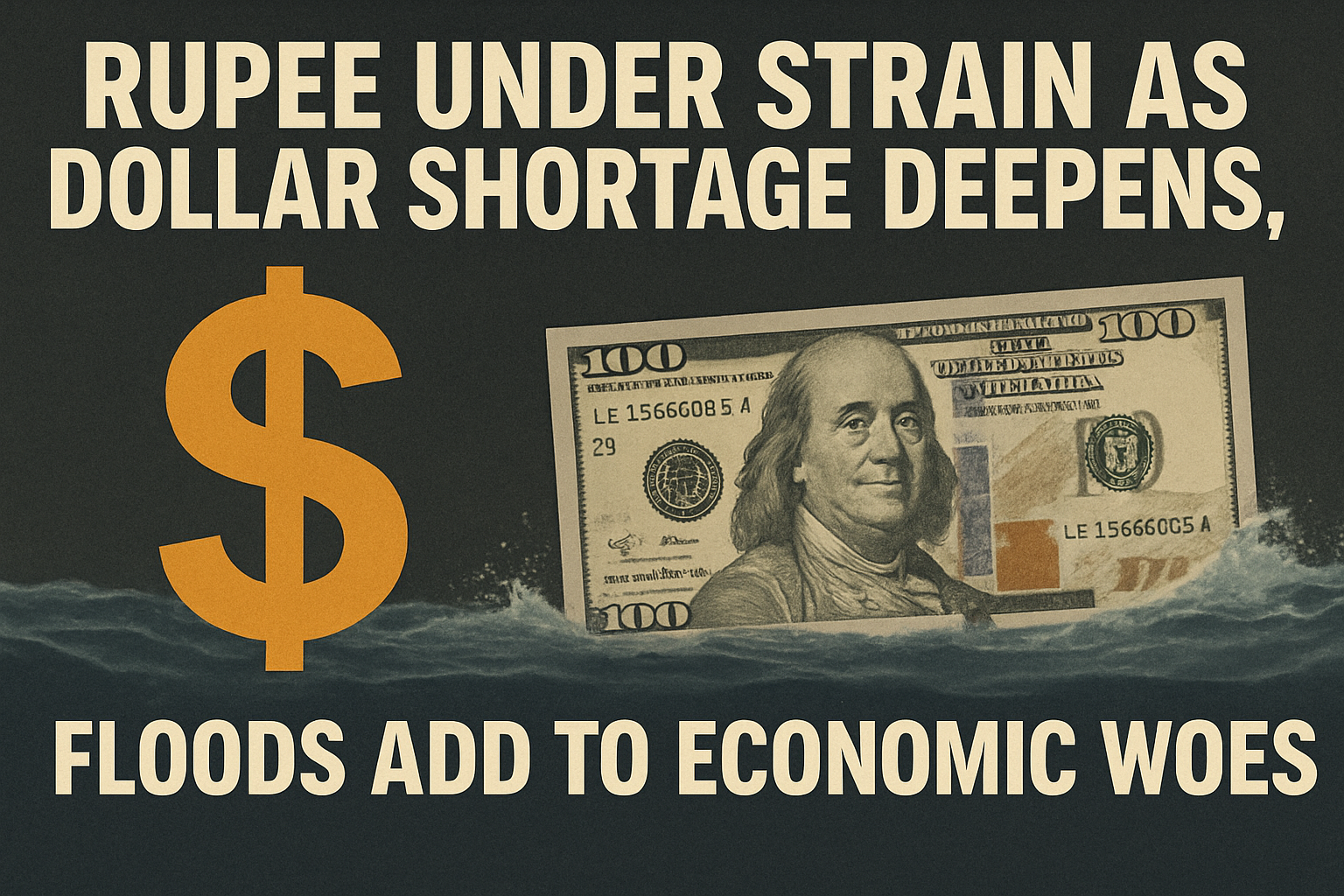
The global oil prices surge poses serious risks for Pakistan. The country depends heavily on imported fuel. Therefore, rising prices increase the import bill and weaken the currency.
Recently, the government reduced petrol and diesel prices to ease inflation. However, this relief may not last long. Higher global prices could reverse these gains quickly.
Analysts say every $10 increase adds pressure on inflation and the current account. In addition, transport and electricity costs may rise. Food prices could also increase in the coming weeks.
Global uncertainty may raise shipping and insurance costs. As a result, supply chains could face further disruption. In conclusion, the global oil prices surge highlights Pakistan’s vulnerability to external shocks.