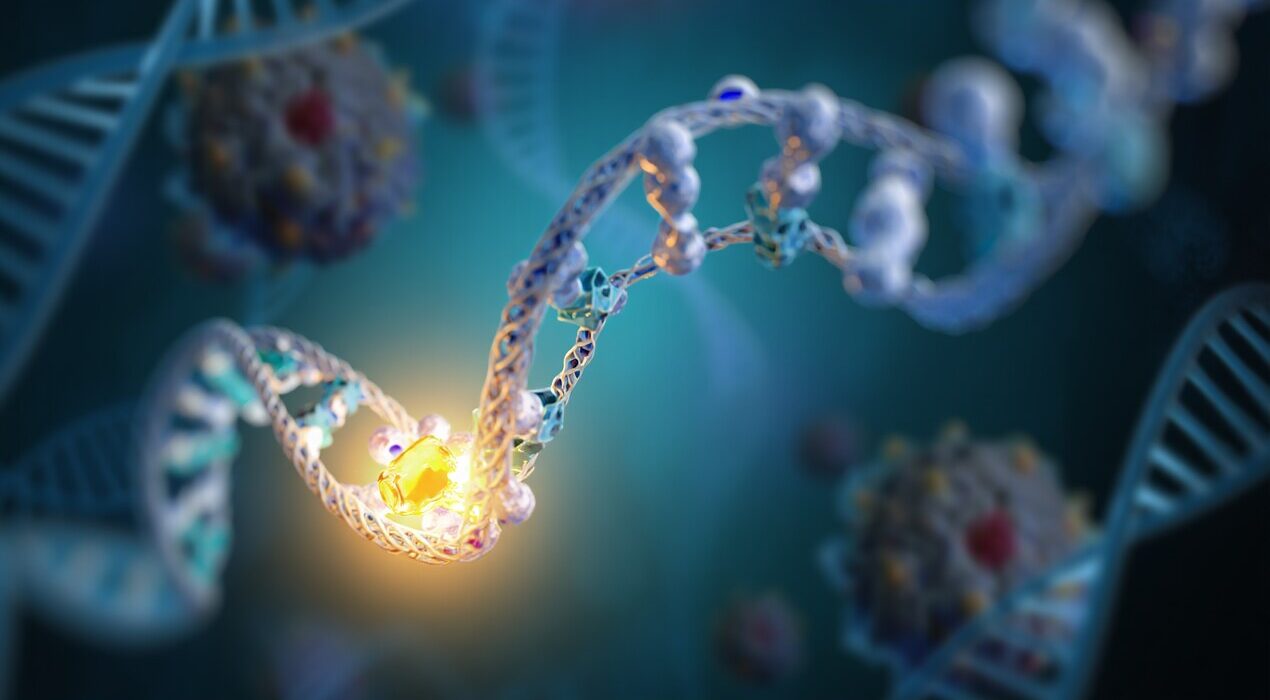
Glutathione Protein Folding Discovery Could Transform Disease Research
Scientists have uncovered a major glutathione protein folding breakthrough. This finding shows how cells keep proteins working properly. Glutathione acts as a powerful antioxidant inside cells. It protects systems and repairs damage. However, researchers now see it does much more.
Glutathione Protein Folding Discovery Explained
A team at Rockefeller University studied how glutathione works. They found it helps control protein folding in the endoplasmic reticulum (ER). This structure builds and processes proteins. When proteins fold correctly, cells stay healthy. On the other hand, errors can lead to serious diseases.
Why This Discovery Matters
Researchers identified a transporter called SLC33A1. It controls glutathione balance inside the ER. As a result, it ensures proteins fold the right way. The ER needs a specific chemical balance to work well. For example, it must stay more oxidized than other parts of the cell. This balance allows a “proofreading” step during protein formation.If this process fails, proteins build up inside the ER. Therefore, cells become stressed and may die over time. This problem links to conditions like neurodegeneration and cancer.
In addition, scientists connected it to rare disorders such as Huppke-Brindle Syndrome. The discovery also opens new treatment ideas. For instance, adjusting glutathione levels could help remove harmful cells. Cancer cells, in particular, depend on this system to survive. Researchers believe targeting SLC33A1 may offer future therapies. Meanwhile, the study highlights how small cellular processes affect overall health. In short, this research reveals a hidden system that protects our bodies. As scientists continue exploring, new treatments may follow.