HIV Screening Before Surgery in Pakistan
Pakistan has ordered HIV screening before surgical procedures that pierce or cut the skin. The move aims to reduce infection risks during healthcare procedures.
Federal Health Minister Mustafa Kamal issued the directive on Wednesday. He chaired a meeting of the Joint Working Group on HIV/AIDS at the health ministry.
The minister asked officials to apply a safety standard nationwide. Therefore, authorities in Balochistan, Khyber Pakhtunkhwa, and Gilgit-Baltistan must issue notifications.
Sindh, Punjab, and Islamabad already screen patients before procedures involving skin piercing or incisions. However, Kamal wants every region to follow a consistent approach.
Uniform safety standards
Kamal said better infection control can protect patients and healthcare workers. In addition, screening can support safer surgical care.
The directive covers procedures involving skin piercing or incisions. Such procedures can carry risks when facilities do not follow safety measures.
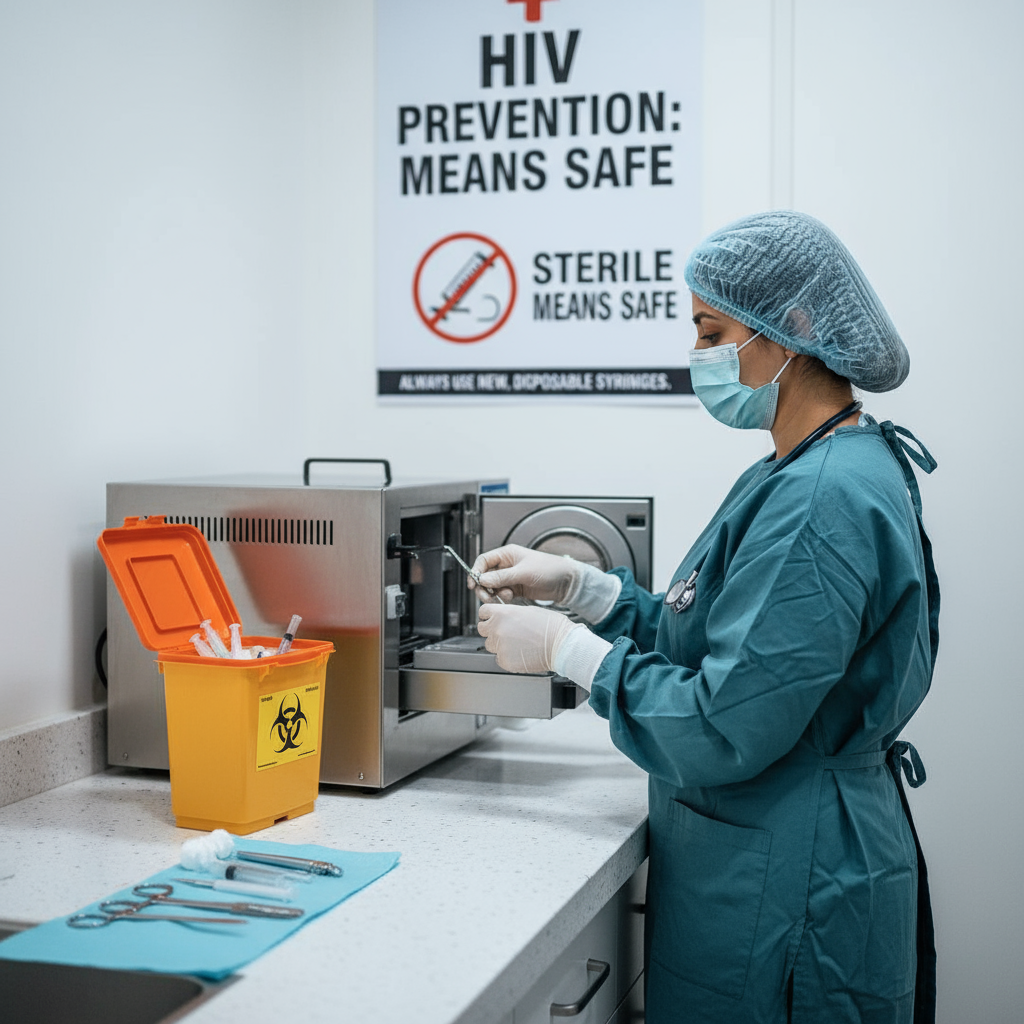
The minister asked officials to address unsafe injections and blood safety gaps. He stressed that facilities should strengthen infection prevention and control practices.
Support for children
Kamal highlighted the needs of children living with HIV. He called for support beyond clinical treatment.
Children should receive nutritional, psychosocial, and welfare support, he said. As a result, broader care may improve their quality of life and treatment outcomes.
The minister asked provincial healthcare commissions to join the next working group meeting. Officials will review infection prevention and control practices during that session.
A coordinated approach
The directive seeks stronger coordination between federal and provincial health authorities. A common standard could reduce differences in safety practices.
Officials will need to ensure that facilities follow the requirements. Regular monitoring can help identify gaps and improve compliance.
The move places patient safety at the center of surgical care. Moreover, better infection control can protect communities while supporting safer healthcare nationwide.