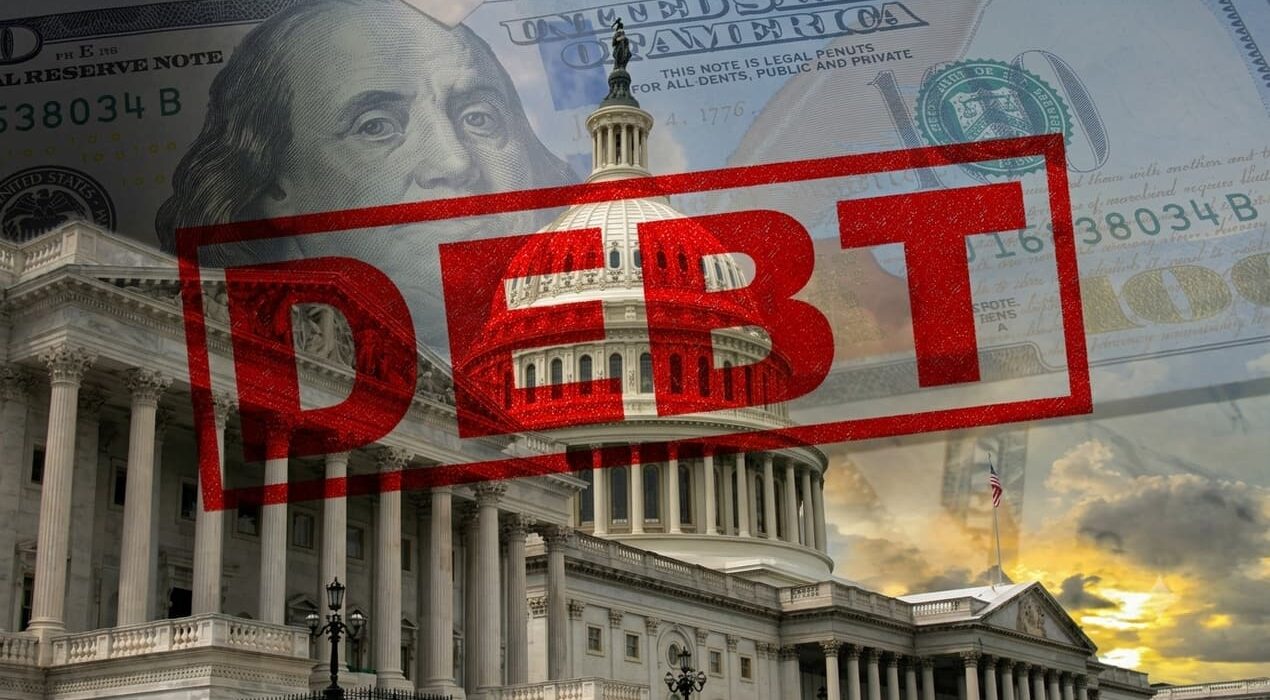
US Debt Crisis Deepens National Debt Crosses $40 Trillion Milestone
The US debt crisis has reached a new level as national debt crosses $40 trillion. This milestone highlights growing fiscal pressure. Moreover, rising spending and lower revenues continue to widen the gap. The Treasury reported total debt at $40.047 trillion this week. This includes public debt and intra-government holdings. As a result, experts warn about long-term economic risks.
Rapid Growth Over the Years
US debt has more than doubled in less than a decade. It stood near $20 trillion in 2017. However, heavy borrowing during the pandemic pushed it higher. Both administrations played a role in this rise. For example, debt increased by $8.4 trillion under Biden. Similarly, Trump’s two terms added $11.6 trillion so far. In addition, pandemic spending made up a large share of this increase. Yet, ongoing tax cuts and spending imbalances continue to drive debt growth.
Rising Costs and Economic Impact
Higher debt brings higher interest costs. In fact, interest payments now exceed many key budget areas. Therefore, this limits spending on other priorities. Experts say the impact reaches everyday households. Inflation may rise, and borrowing costs may increase. As a result, mortgages and loans become more expensive. Moreover, foreign investors show less interest in US bonds. This trend pushes bond yields higher. Consequently, the government must offer better returns to attract buyers.
Policy Challenges Ahead
Lawmakers face tough decisions to control the crisis. They may need to raise taxes or cut spending. However, political challenges often delay action. Recent data shows a $432 billion deficit in July alone. This reflects rising social spending and falling revenues. Meanwhile, programs like Social Security and Medicare continue to expand. Although efforts exist to control spending, results remain limited.
Much of the budget goes to mandatory programs. Therefore, cutting costs becomes stability. The future of the US debt crisis remains uncertain. Leaders continue to debate solutions. At the same time, markets react to rising risks. President Trump has called for lower interest rates. He believes a strong economy can manage the debt. However, experts remain cautious about long-term stability.