Indonesia Wildlife Tourism Rises with Government Support
Indonesia’s wildlife tourism is on the rise. The government supports sustainable growth in this sector. Consequently, visitors can enjoy ethical animal encounters.
The country welcomed 13.9 million international visitors in 2024. Domestic tourism also surged with 178.9 million trips. Therefore, nature-based tourism benefits greatly.
Tanjung Puting: Home of Wild Orangutans
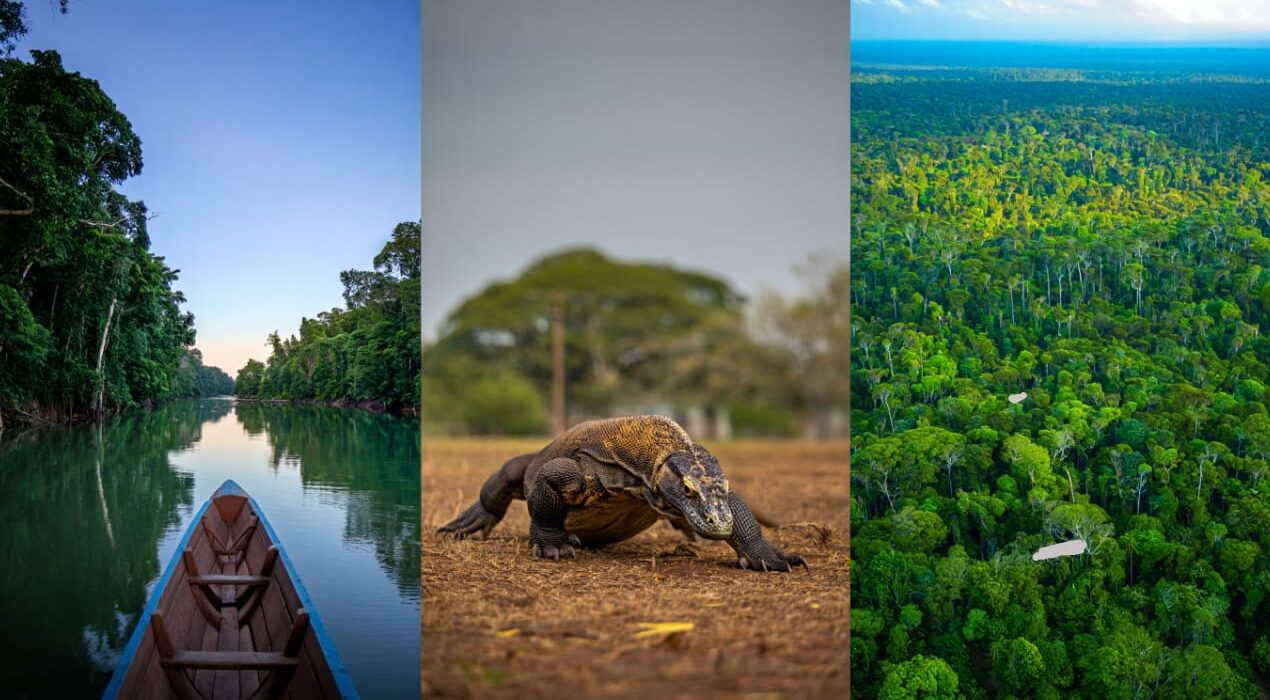
Tanjung Puting National Park sits in Central Kalimantan. It covers over 4,150 square kilometres of forest. The park is famous for its wild orangutans.
Visitors take traditional river boat tours. You may see orangutans, proboscis monkeys, and gibbons. Camp Leakey is a core attraction for conservation learning.
Komodo Dragons and Javan Rhinos
Komodo National Park protects the world’s largest lizards. You can see Komodo dragons in their natural habitat. Ujung Kulon National Park safeguards the critically endangered Javan rhino. Indonesia has over 50 protected parks. Activities include bird-watching, trekking, and marine exploration. As a result, there is something for every nature lover.
Government Policies Protect Animals
The Ministry of Tourism leads sustainable tourism efforts. Official policies respect cultural values and preserve habitats. For example, Indonesia has ended elephant riding nationwide. This policy shift protects animal welfare. Observation-based experiences now replace captive encounters. Therefore, ethical travel is becoming the norm.
Economic Benefits for Local Communities
Wildlife tourism drives foreign exchange earnings. It also creates jobs across the archipelago. Local guides, lodges, and markets all benefit. In Central Kalimantan, tourism supports conservation education. Research programmes rely on visitor engagement for funding. Consequently, both wildlife and people thrive together.
Plan your trip during the dry season. June to September offers the best wildlife sightings. Always use knowledgeable local guides. Choose operators that follow conservation policies. Non-invasive observation ensures habitat preservation. In conclusion, Indonesia is a growing frontier for global wildlife travel.