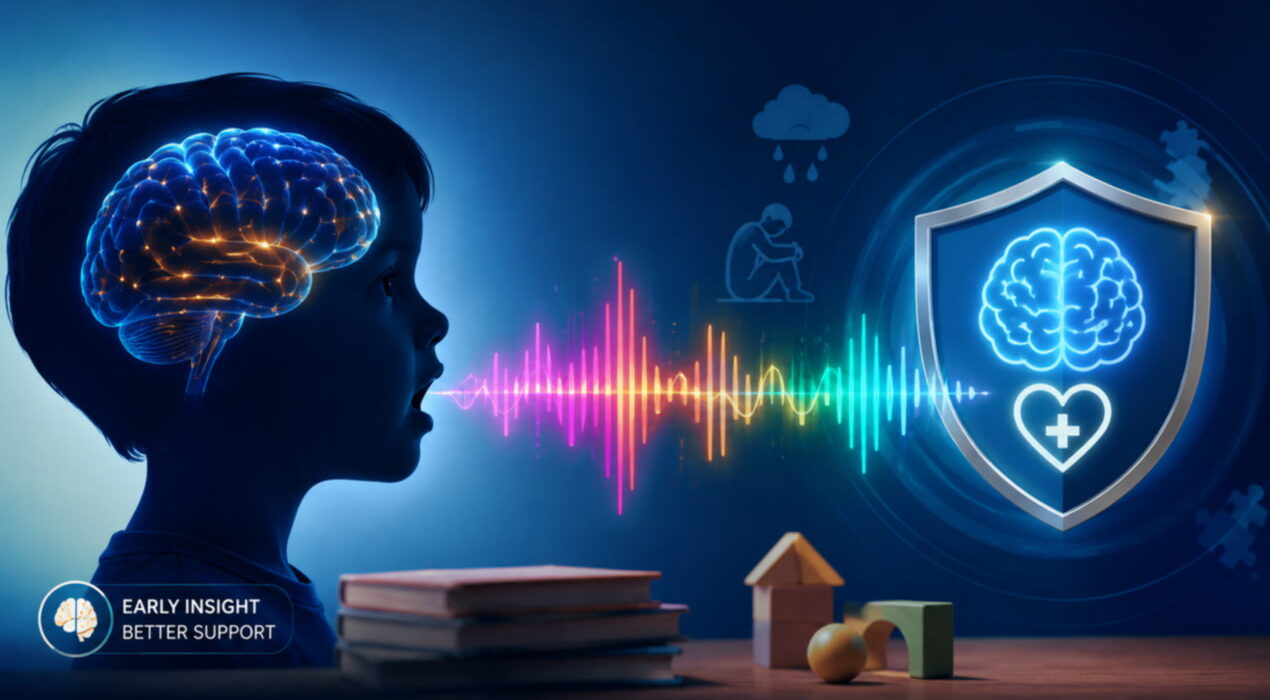
Kids’ Speech Patterns May Reveal Mental Health Risks: New Study
Children’s speech patterns may help experts predict future mental health challenges, according to a new Stanford University study. Researchers found that Kids Speech Patterns reveal more about future emotional wellbeing than the actual stories children tell. The findings suggest speech analysis could become a simple and affordable way to identify children who may need support before serious problems appear.
The researchers explained that early life stress increases the risk of mental health disorders later in life. However, many children remain resilient despite difficult experiences. Therefore, experts wanted a better way to identify those who may struggle in the future.
Speech Style Matters More Than Content
The research involved more than 200 children aged nine to 13. Each child described stressful experiences while researchers analysed their language with artificial intelligence tools. The results showed that speaking style predicted future anxiety and depression more accurately than story content.
For example, children who frequently used absolute words such as “always” and “never” faced a higher risk. Greater use of prepositions also indicated more complex storytelling linked to emotional difficulties. In contrast, children who often mentioned other people through third-person pronouns appeared less likely to develop mental health problems.
AI Could Support Early Intervention
Researchers also examined the topics children discussed. Stories filled with fear, conflict, violence, or social exclusion were linked with more severe symptoms. Meanwhile, conversations about hobbies, sports, pets, daily routines, and mental healthcare suggested a lower risk.
The team believes speech analysis could become an affordable screening tool because it is easy to collect and analyse. In addition, it may help schools and healthcare providers identify vulnerable children earlier. Although more research is needed, the findings highlight how everyday conversations may provide valuable clues about future mental wellbeing and support timely care before symptoms become harder to treat.