KP Plans Door-to-Door Survey for Out-of-School Children
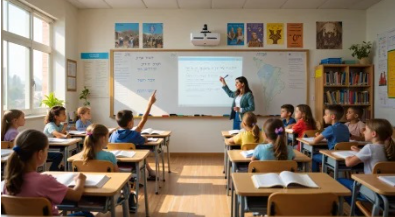
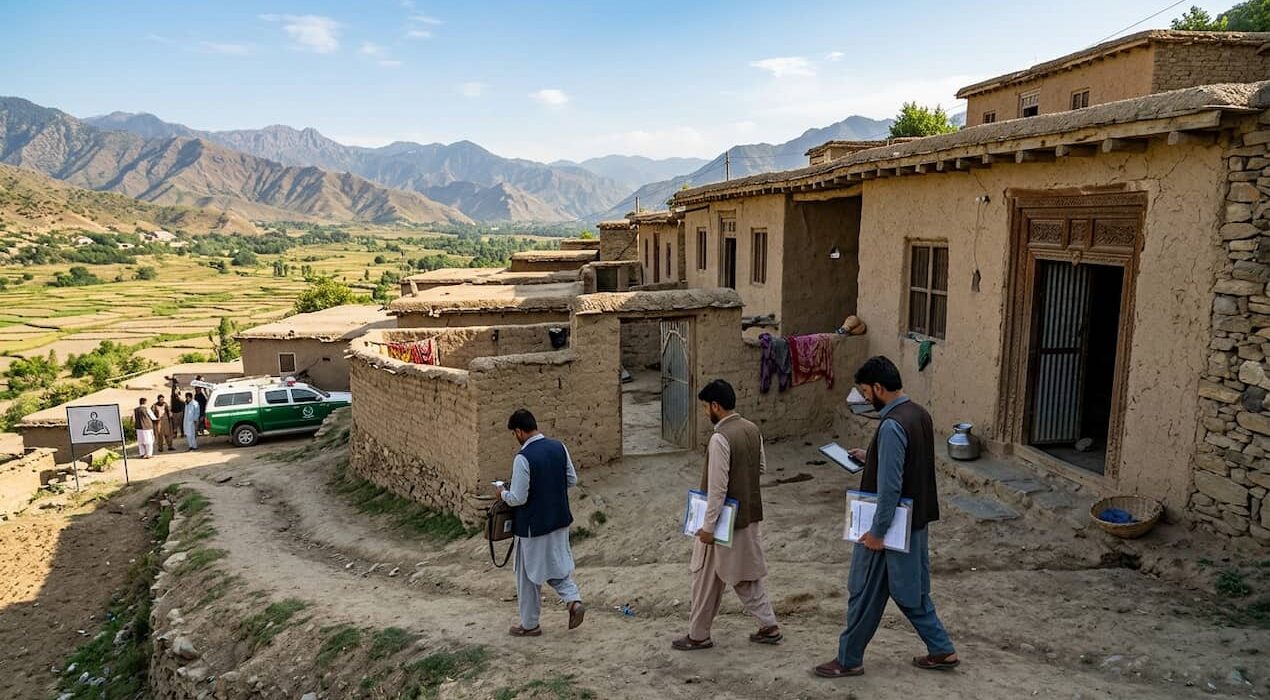
Khyber Pakhtunkhwa has launched a plan to count out-of-school children across the province. Officials will conduct a door-to-door survey to identify children who are not attending school.
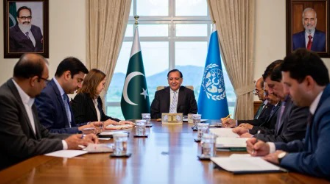
The plan follows a memorandum of understanding signed in the presence of Chief Minister Sohail Afridi. Four provincial departments will lead the campaign.
KP starts province-wide education survey
The Elementary and Secondary Education Department will work with three other departments. These include Local Government, Health and Social Welfare.Officials will record the number and locations of children outside the education system. They will also create a new “One Map” system to manage the information.
The 2023 census estimates 4.9 million children aged five to 16 live in KP. However, the education department says around 2.6 million children remain out of school.The government aims to enrol 60 percent of these children during the first phase. Officials will also collect data on children aged below five.This information will help the province plan schools and other education services. As a result, authorities can better match resources with local needs.
Scholarships and skills training planned
The government will use public schools, double shifts and community schools. It will also work with digital platforms and private partners.Poverty remains a major reason some children leave school. Therefore, the government plans support through scholarships, Zakat and other assistance.
Teenagers aged 14 to 16 will receive vocational training under the United Nations’ Generation Unlimited programme. This approach can help young people develop useful job skills.
Provincial and district steering committees will monitor the programme. An independent body will verify five percent of survey data to improve transparency.Scholarship payments will also depend on attendance. Children must maintain at least 75 percent attendance to receive the support.The initiative aims to give more children access to education. It could also help KP build a clearer picture of its education needs and gaps.