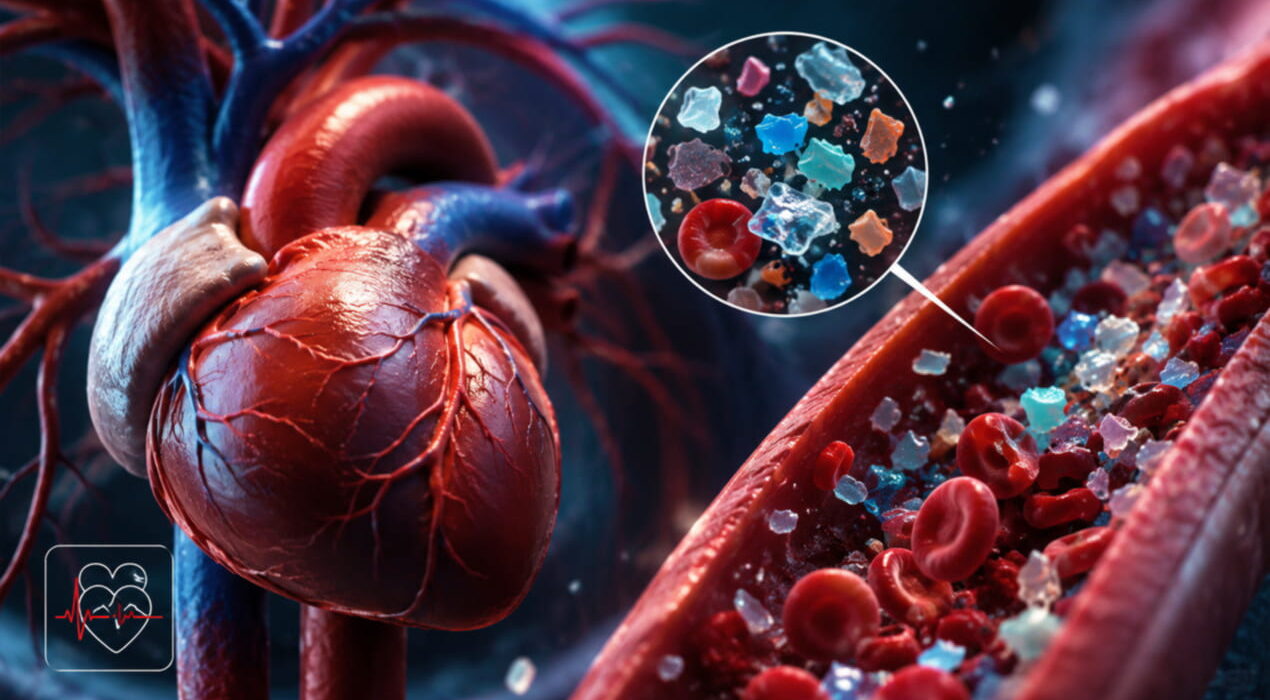
Microplastics in Blood Linked to Heart Attack Risk, Study Finds
People who suffer a severe microplastics heart attack event may have higher levels of tiny plastic particles in their blood, according to a new study. Researchers found a strong link between these particles and serious heart problems. However, they stressed that the findings do not prove plastic particles directly cause heart attacks.
Scientists in Italy examined blood samples from 61 patients who underwent coronary angiograms. They compared people with severe heart attacks, chronic heart disease, and healthy coronary arteries. The results showed that 84% of patients with an active severe heart attack had detectable microplastics or nanoplastics in their blood. In comparison, only 40% of people with chronic heart disease and 32% with healthy coronary arteries tested positive.
Plastic Particles Found in Most Positive Cases
Researchers identified polyethylene in 97% of patients who had detectable plastic particles. Polyethylene is widely used to make shopping bags, bottles, and food packaging. Therefore, scientists believe daily environmental exposure may play an important role.
The team also discovered that people with a history of smoking were more likely to have microplastics in their bloodstream. Smoking may allow these particles to enter the lungs more easily. In addition, air pollution could increase exposure in a similar way.
Researchers Urge More Investigation
Lead researcher Emanuele Barbato said the findings show a strong association between environmental exposure, microplastics in the blood, and cardiovascular disease. However, the study does not confirm that plastic particles directly trigger heart attacks.
Experts say larger studies are now needed to understand how these tiny particles behave inside the body. As research continues, reducing unnecessary plastic exposure and avoiding smoking may support better overall health. Meanwhile, scientists hope future studies will explain whether microplastics contribute to heart disease or simply reflect broader environmental risks affecting cardiovascular health worldwide.