Norway AI School Ban: Government Moves to Restrict Generative AI in Elementary Education
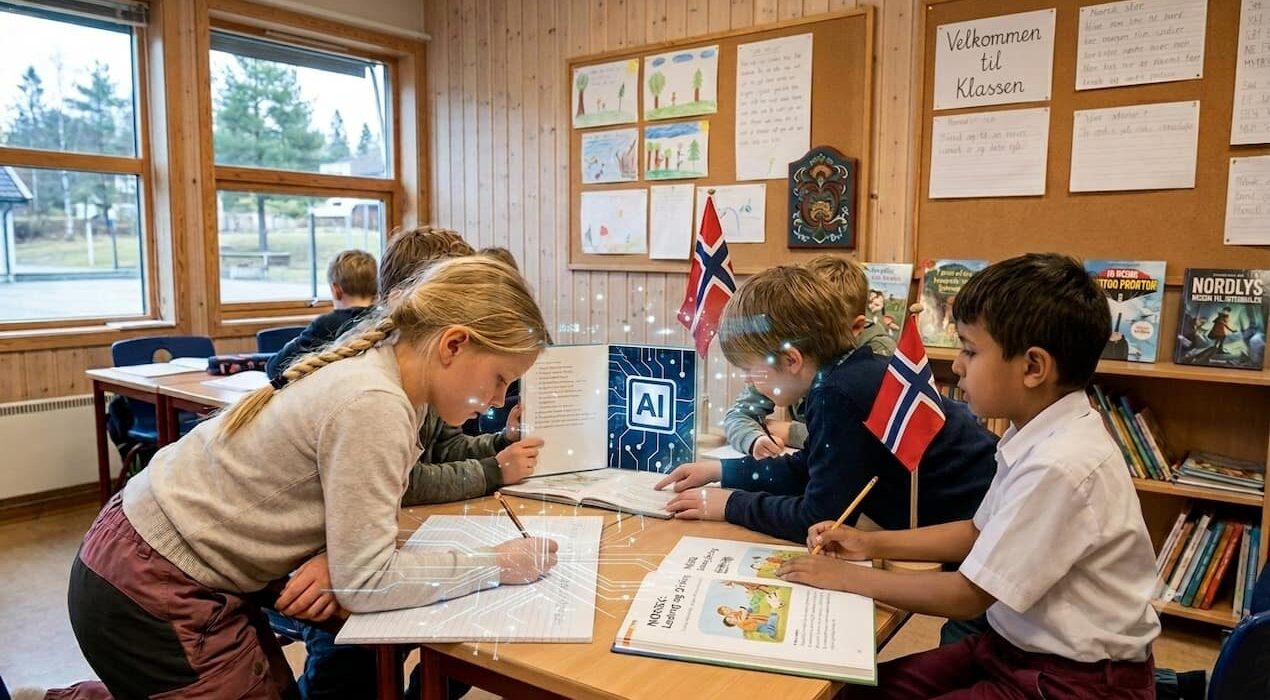
The Norway AI School Ban proposal has drawn global attention after the Norwegian government announced plans to introduce strict restrictions on generative artificial intelligence tools in elementary schools. Prime Minister Jonas Gahr Støre said the move aims to protect children’s foundational learning and ensure they develop essential academic skills at an early age. According to the government, young learners should build strong abilities in reading, writing, and critical thinking before relying on advanced digital technologies. Therefore, officials believe limiting AI use in primary education will support healthier learning habits.
Government Focuses on Core Learning Skills
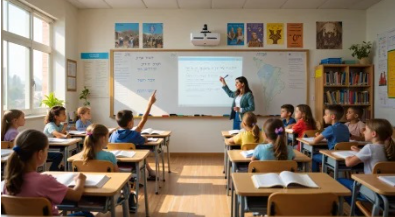
Prime Minister Støre emphasized the importance of developing basic educational skills during childhood. He argued that students need to learn independently and strengthen their problem-solving abilities. As a result, the government plans to introduce a near-total ban on generative AI tools in elementary classrooms.
Officials believe excessive dependence on artificial intelligence could affect students’ ability to think critically and complete tasks on their own. In addition, they fear that children may rely on AI-generated content instead of understanding concepts through study and practice. The proposed restrictions seek to create an environment where students actively participate in the learning process.
The government also wants schools to encourage creativity, curiosity, and independent thinking. Consequently, policymakers see the proposed ban as a way to support long-term academic development and strengthen educational outcomes.
Debate Grows Over AI’s Role in Education
The announcement has sparked discussion among educators, parents, and technology experts. Supporters of the proposal argue that children need strong educational foundations before using sophisticated AI tools. They believe the restrictions will help students gain confidence in their own knowledge and abilities.
However, some experts disagree with the government’s approach. They argue that schools should teach responsible AI use rather than impose broad restrictions. For example, artificial intelligence can support research, personalized learning, and classroom engagement when used correctly.
Despite the debate, Norway’s decision highlights a growing international conversation about technology in education. Many countries continue to examine how artificial intelligence should fit into classrooms. Meanwhile, Norway remains focused on protecting foundational learning while preparing students for a digital future.