Pakistan Coding Education Bill Approved by Senate
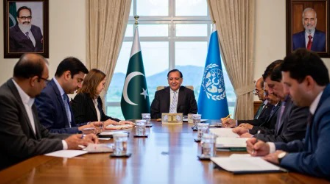
Pakistan’s Senate has passed the Coding Education Bill, making computer science and coding compulsory subjects in schools from elementary to high school level. The Senate approved the amendment during a session chaired by Sherry Rehman. Moreover, lawmakers said the decision would modernize Pakistan’s education system and prepare students for a technology-driven future.
The amendment updates the Right to Free and Compulsory Education Act 2012. Under the new law, schools across Pakistan must include programming and computer education in their curriculum. In addition, senators said digital literacy has become essential for students competing in the global job market. The law came into immediate effect after Senate approval. Officials believe the move will help students gain practical skills needed in modern economies and technology sectors.
Lawmakers also discussed unemployment challenges during the session. According to the Pakistan Labor Force Survey 2024-25, around 5.9 million people remained unemployed during the fiscal year, while the unemployment rate crossed 7%. Therefore, senators stressed the importance of equipping young people with digital and technical skills to improve employment opportunities in the future.
Senate Passes Additional Bills
During the same session, the Senate also approved the Pakistan Nursing and Midwifery Council bill after a tied 13-13 vote. Federal Health Minister Mustafa Kamal warned lawmakers that the legislation would lapse if the Senate delayed approval. Furthermore, the presiding officer cast the deciding vote in favour of the bill after several senators requested further review.
The Senate also granted 12 standing committees an additional 60 days to submit pending reports. Officials said several committees failed to meet earlier deadlines. In addition, lawmakers discussed the ongoing financial crisis at Federal Urdu University. Federal Minister Tariq Fazal Chaudhry informed senators that staff salaries continued despite financial difficulties faced by the university.
Debate on Governance and Politics
The education ministry informed the Senate that 23 out of 163 public universities in Pakistan currently operate without permanent vice chancellors. However, authorities said appointment processes remain underway.
The session also included debate over political issues and jailed opposition leaders. Senator Azam Swati called for basic human rights for former Prime Minister Imran Khan and his wife. Meanwhile, opposition leader Raja Nasir Abbas proposed a bipartisan committee to meet political prisoners and report findings back to the Senate.