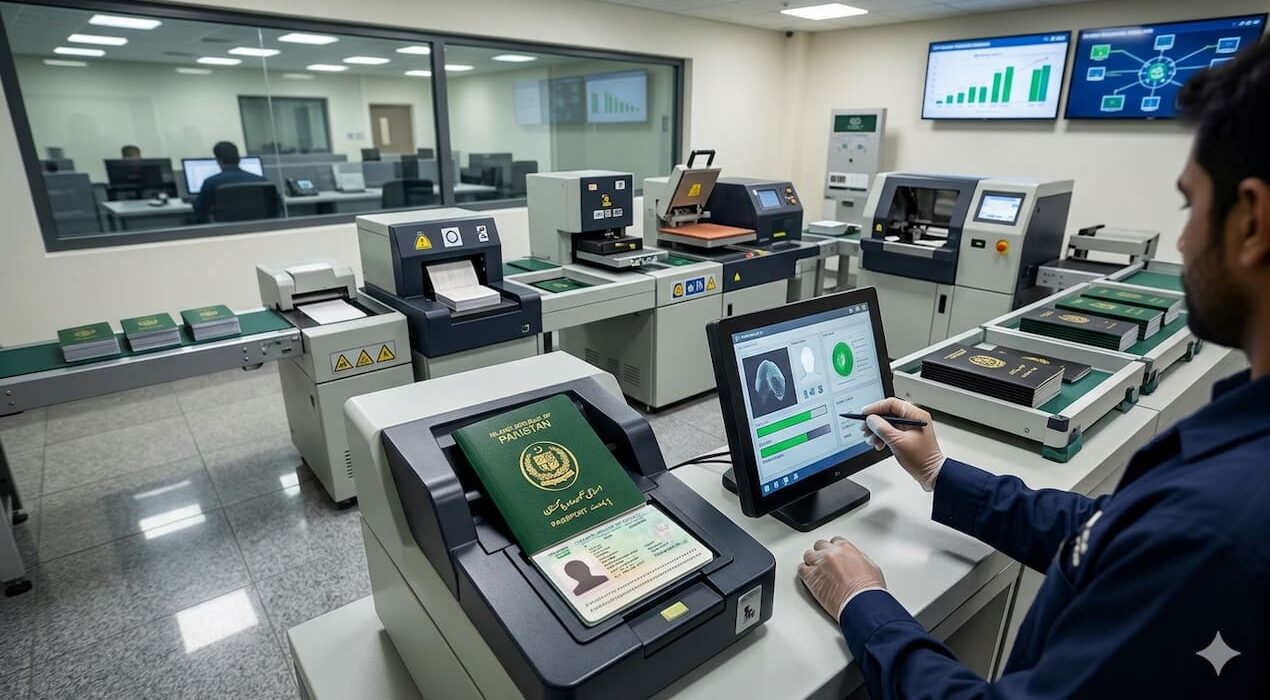
Pakistan E-Passport Plan Approved to Modernise Passport Services
Pakistan has approved a major plan to expand the Pakistan E-Passport system as part of broader immigration reforms. The initiative aims to modernise passport services, improve security and reduce fraud. As a result, citizens can expect a more efficient and transparent system in the coming months.
The decision was taken during a high-level meeting at the Passport and Immigration headquarters. Interior Minister Mohsin Naqvi chaired the meeting and reviewed several reform proposals. Officials said the changes will improve service delivery and make the passport process more convenient for applicants.
Government Pushes Digital Passport Reforms
Authorities decided to gradually shift passport issuance to a complete e-passport framework. The move will strengthen document security and help prevent forgery. However, officials have not announced a deadline for replacing traditional passports.
Director General of Passports and Immigration Muhammad Ali Randhawa briefed the meeting on ongoing reforms. He informed participants about measures designed to improve public services. For example, premium passport applicants will now pay fees based on the actual cost of processing services.
Officials also completed preparations for home delivery of passports. The service will soon become available for applicants within Pakistan and abroad. Consequently, citizens will receive documents more easily and quickly.
From July 1, passport offices nationwide will introduce a cashless payment system. In addition, authorities will move online passport applications to the Pak-ID platform. These measures aim to simplify procedures and reduce processing delays.
Enhanced Security Features
The government also plans to finalise a policy for business passports in consultation with the Federal Board of Revenue. Officials believe the policy will support business travellers while maintaining regulatory oversight.
According to the Ministry of Interior, the Pakistan E-Passport contains an electronic chip that stores biometric information. The chip also holds personal details, a unique identification number and a digital signature. Moreover, the passport uses contactless NFC technology for electronic verification.
Pakistan’s e-passports comply with international ICAO standards. Therefore, the reforms mark an important step towards a secure, modern and globally recognised passport system.