Pakistan Education Challenges Raise Concern Over Literacy Crisis
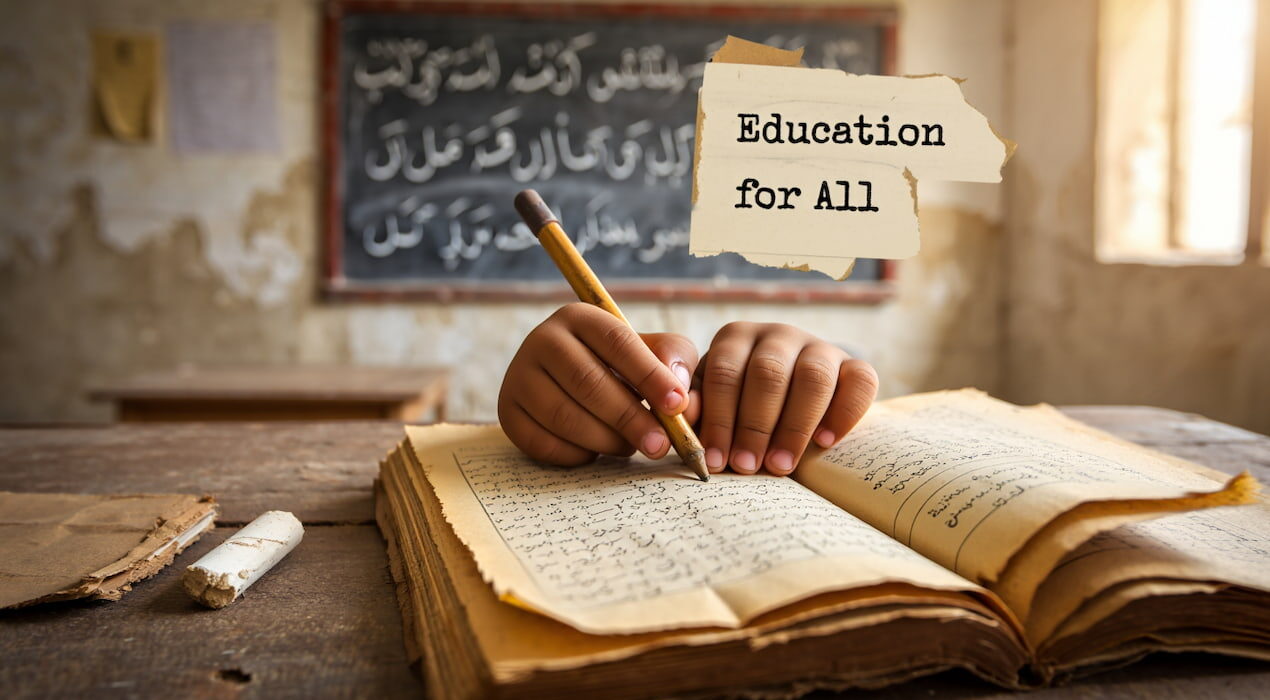
Pakistan Education Challenges continue to raise serious concerns as low literacy rates and funding shortages affect millions of students. A recent government report revealed that 77 percent of ten-year-olds in Pakistan cannot properly read simple text. Experts say the situation reflects deep problems in the country’s education system. In addition, weak infrastructure and limited resources continue to affect learning outcomes nationwide.
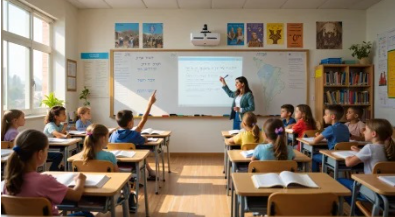
Education specialists believe poor investment in schools has created major gaps in quality education. Many public schools still lack trained teachers, proper classrooms and basic learning materials. As a result, students struggle to develop reading and writing skills at an early age.
Experts also warned that poverty and inequality continue to limit educational opportunities. Children from rural and low-income families often face greater barriers to quality learning. Therefore, education advocates have urged authorities to increase funding and improve school facilities across the country.
Experts Call for Urgent Education Reforms
Analysts say Pakistan needs long-term reforms to address the growing education crisis. They stressed the importance of improving literacy programmes and teacher training systems. Furthermore, experts believe digital learning and updated curricula can help improve student performance.
Education advocates also highlighted the need for equal learning opportunities for girls and vulnerable communities. They explained that many children leave school early because of financial pressures and weak support systems. Consequently, literacy levels remain low in several regions.
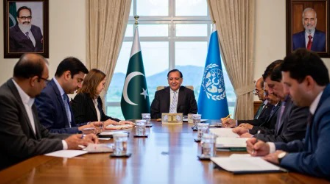
Officials have promised to continue education reforms and improve enrolment rates. However, experts argue that stronger implementation and better monitoring remain essential. They believe Pakistan must treat education as a national priority to secure long-term social and economic progress.
Funding Shortages Continue to Affect Schools
Reports show that many schools still operate with limited budgets and outdated facilities. In some areas, overcrowded classrooms and teacher shortages continue to create learning difficulties. Moreover, poor infrastructure often discourages families from sending children to school.
Education experts say better planning and increased public investment can help improve literacy rates. They also stressed that strong education systems play a key role in economic development and social stability.