Pakistan Funds Clean Energy Facility Using Farm Waste
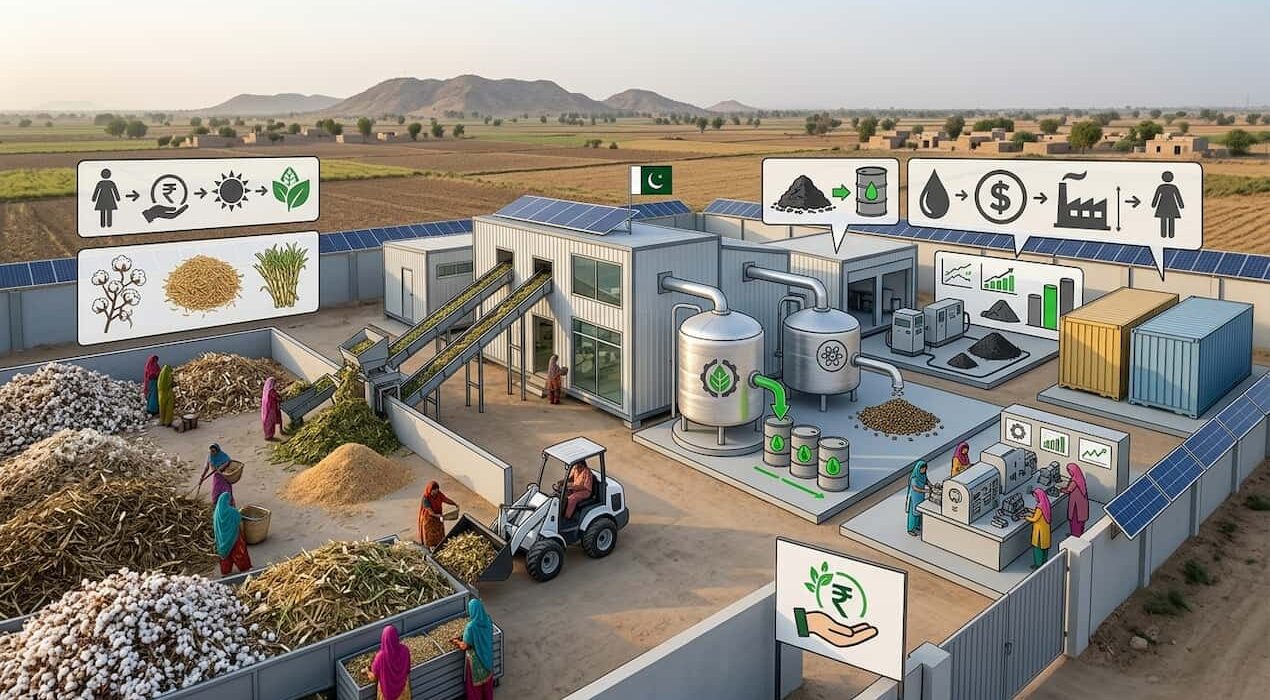
Academics at Northumbria University have secured funding for Pakistan’s full-scale clean energy facility using farm waste. The clean energy facility will turn cotton stalks and sugarcane waste into bio-coal pellets for industrial use.
Millions of tonnes of crop waste burn across Punjab each year. These fires add smoke to the air and worsen seasonal smog. However, the project aims to create value from this waste while supporting rural communities.
Turning farm waste into fuel
Northumbria’s engineering team leads the Safer Plus project. The UK government awarded almost £1.25 million to support its development.Engineers will use torrefaction, a heating process, to produce bio-coal pellets. Brick kilns and textile mills could use these pellets instead of imported coal. The university says the fuel could cost 40% to 50% less.
Dr Jibran Khaliq said Pakistan spends more than $2.5 billion each year on coal imports. Therefore, local fuel could help industries reduce costs and limit reliance on overseas supplies.Three textile manufacturers have already agreed to test the pellets in their boilers. As a result, the project has a path from research to commercial use.
Creating income for rural women
A women-led biomass cooperative will collect and supply crop waste for the facility. More than 120 nearby households could earn formal income from material that farmers currently pay to remove.The project also reserves at least 60% of training places for women. Payments will go directly to their mobile wallets, giving them control over their earnings.
According to the university, many rural women spend three to six hours daily collecting fuelwood. They also often work without pay on family farms.The project team hopes its model can expand across Pakistan. In addition, the facility could show how clean fuel, better incomes, and waste management can work together across the country.