PIA Fleet Expansion: Two Aircraft Approved After Privatization
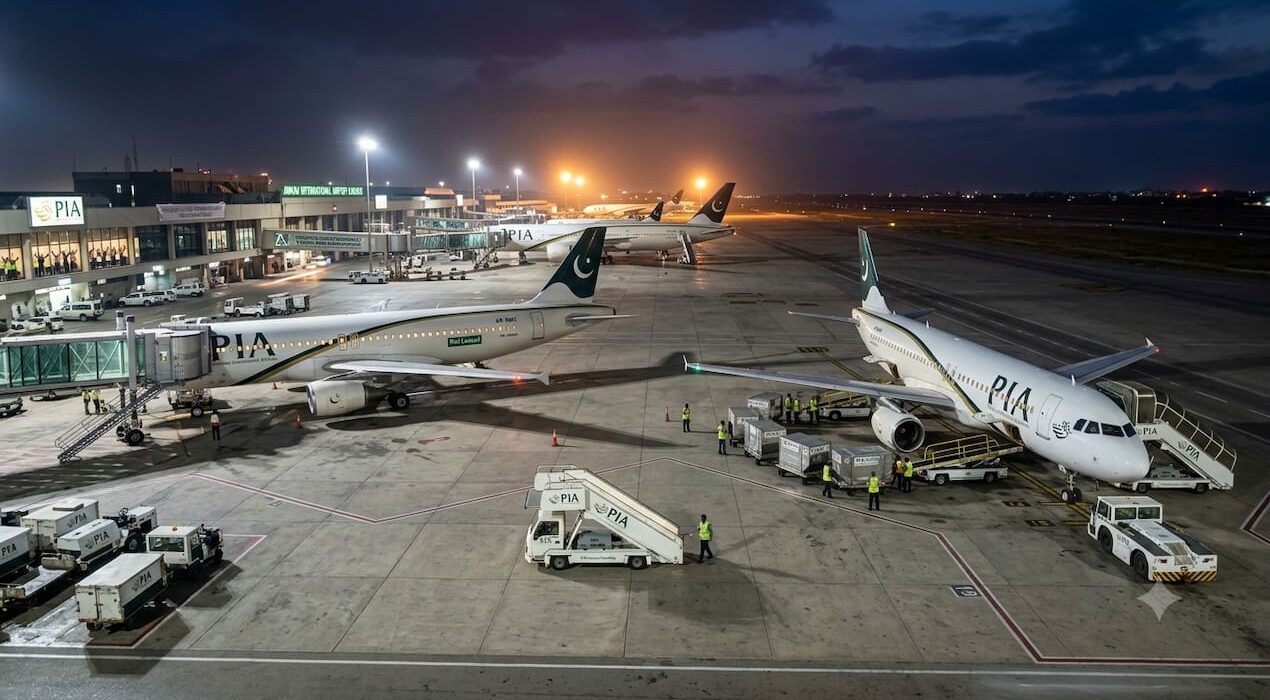
Pakistan International Airlines has approved a fleet expansion decision after its privatization. The airline will induct two aircraft through six-month wet lease agreements. Both aircraft are expected to join the fleet in October.
Two Aircraft Set to Boost Operations
The PIA Board of Directors approved the aircraft during its first meeting after privatization. The airline plans to use both planes mainly for European routes.
A wet lease gives an airline access to an aircraft and its operating crew. Therefore, the leasing company will provide pilots and cabin crew with the planes.
The move should increase PIA’s operational capacity. It could also support higher revenue from international routes. In addition, the aircraft may help the airline meet growing passenger demand.
The two planes remain separate from another major plan. PIA is also discussing a possible purchase of 16 aircraft from Boeing.
PIA officials reportedly visited Boeing’s headquarters in the United States last month. They discussed the proposed aircraft acquisition during the visit.
The latest move comes as PIA enters a new phase under private management. The Arif Habib Corporation-led consortium acquired the airline with plans for a turnaround
Staff Bonus Signals Management Confidence
PIA has also approved a one-month salary bonus for its employees. The board approved the payment during its 102nd meeting on Friday.
The decision came after the airline appointed Lt Gen (Retd.) Anwar Ali Hyder as chairman. It also followed the transition to private management.
Earlier, the new owners warned about possible losses during the initial years. However, recent decisions suggest greater confidence within the management.
The Federal Board of Revenue also waived Rs. 4.29 billion in surcharges and penalties. The amount related to PIA’s existing income tax liabilities.
Still, the staff bonus does not prove a full financial turnaround. The airline must improve its finances and operations over time.
Public reaction remains mixed. Some observers welcomed the changes, while others questioned the choice of leadership.
Therefore, the new management still faces high expectations. Its performance on routes, finances and customer service will shape public confidence.