PM Orders IT Education Overhaul After Poor National Skills Test Results
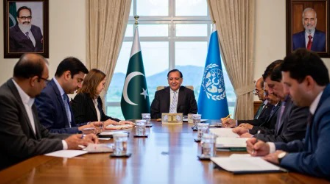
Prime Minister Shehbaz Sharif has ordered a full review of IT education in universities after disappointing results in a nationwide IT Skills Test. He expressed concern over the weak performance of students and stressed the need for urgent reforms. He chaired a high-level meeting on higher education in the IT sector. During the meeting, he directed officials to align university programs with global industry needs. He said IT education must match international standards and emerging technologies.
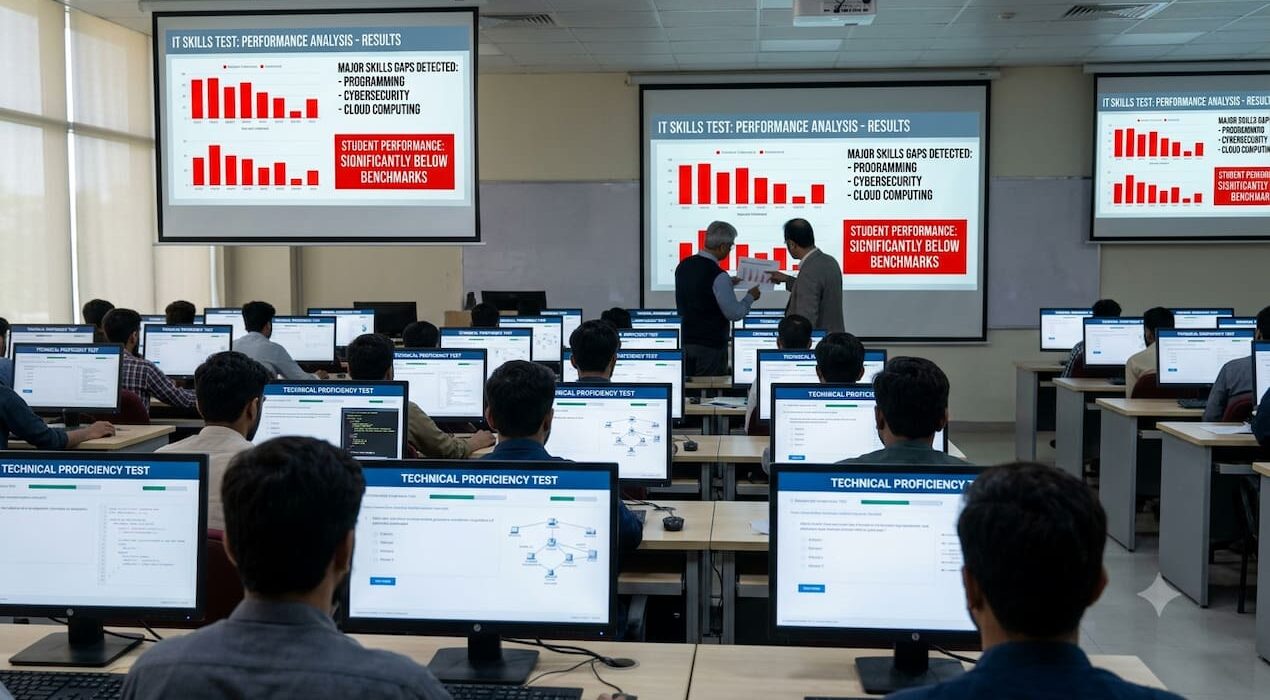
Officials briefed the prime minister on the National Skills Competency Test conducted by the Higher Education Commission (HEC). The test measured the skills of IT students and graduates across Pakistan. It also checked whether universities produce job-ready professionals.
Poor Performance Raises Concerns
A total of 33,038 students from 190 universities took part in the test. Authorities conducted the exam under strict monitoring and transparent procedures across multiple cities. The results revealed a serious skills gap. Only 0.4 percent of students scored above 80 percent. Meanwhile, 3.6 percent scored between 68 and 79 percent.
In addition, 13.2 percent scored between 58 and 67 percent. Another 21.3 percent scored between 50 and 57 percent. However, 61 percent of students failed to reach even 50 percent marks. The prime minister called the results unacceptable. Therefore, he urged immediate action to improve the quality of IT education.
Government Plans Major Reforms
The prime minister ordered a third-party audit of IT programs in universities. This audit will identify weaknesses and suggest improvements. He also asked officials to prepare a roadmap for modern skills. These include artificial intelligence, data science, robotics, and other emerging fields. In addition, he stressed better industry collaboration to improve employability.
Officials informed the meeting that reform work has already started. They said efforts are underway to improve curriculum, teaching standards, and practical training. The prime minister said Pakistan’s youth are its greatest asset. He added that strong IT skills will boost exports, attract investment, and support the digital economy.