PMDC Makes MDCAT Mandatory for Medical Studies Abroad
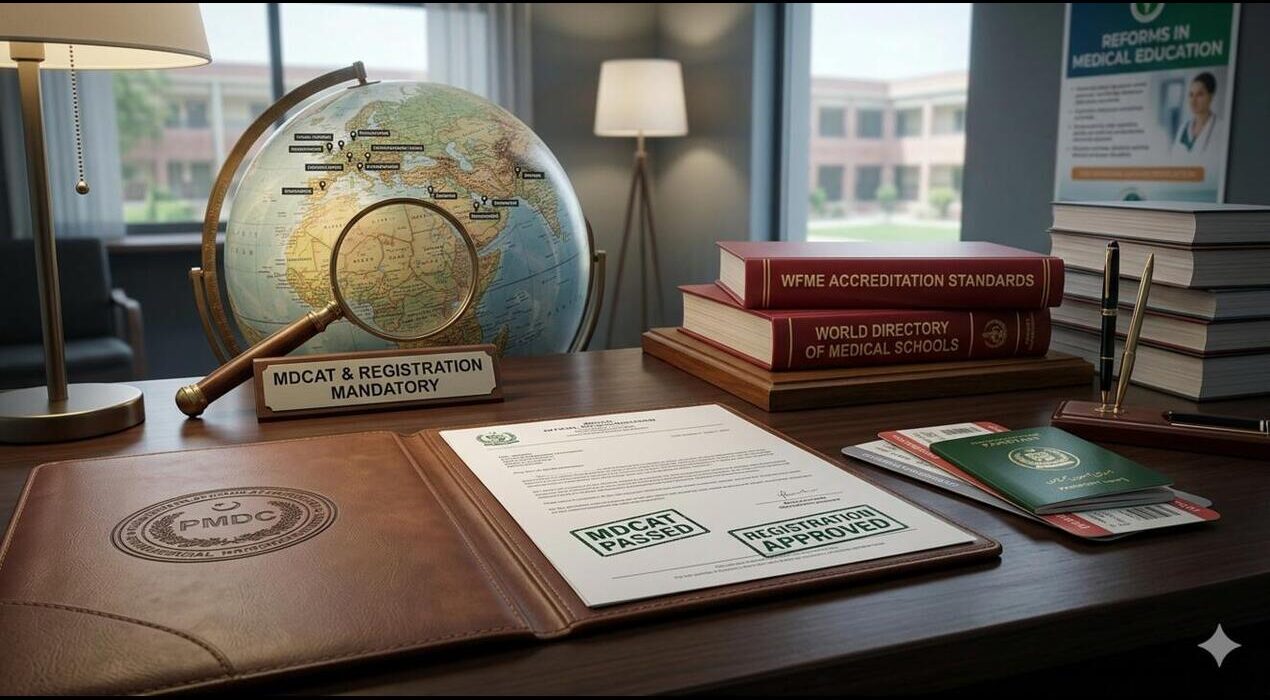
PMDC MDCAT rule has introduced strict new requirements for Pakistani students planning to study medicine or dentistry abroad. The Pakistan Medical and Dental Council announced that students must now pass the MDCAT examination before leaving the country. In addition, students must complete registration with PMDC to avoid future issues with licensing and degree recognition.
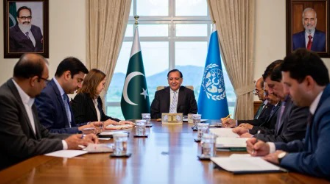
The decision came during a high-level meeting chaired by Deputy Prime Minister Ishaq Dar. The committee reviewed reforms aimed at improving medical and dental education standards across Pakistan. As a result, officials approved stronger regulations for students seeking foreign medical qualifications.
According to the new policy, students must first confirm that their chosen foreign institution appears on PMDC’s recognized list. The institution must also hold accreditation from the World Federation for Medical Education or appear in the World Directory of Medical Schools. Officials say this step will help students avoid problems after graduation.
New Conditions for Foreign Medical Degrees
The committee also introduced academic requirements for foreign qualifications. Officials stated that medical degrees must include at least 6,200 hours of education over five years. Students must also maintain a minimum attendance rate of 80 percent during their studies.
In countries where institutions do not teach in English, students must first learn the local language. The committee advised students to spend at least five months studying the language before starting medical classes. Officials believe this requirement will improve communication and academic performance.
Students must also provide complete residential details and contact numbers before departure. Furthermore, the committee advised students to secure multiple-entry visas covering the entire study period abroad.
PMDC Aims to Protect Students
After completing their foreign degree, graduates must pass PMDC’s National Registration Examination before practicing in Pakistan. Officials say these measures will protect students from future professional and legal complications.
The council believes the updated framework will improve educational standards and ensure graduates meet international medical requirements.