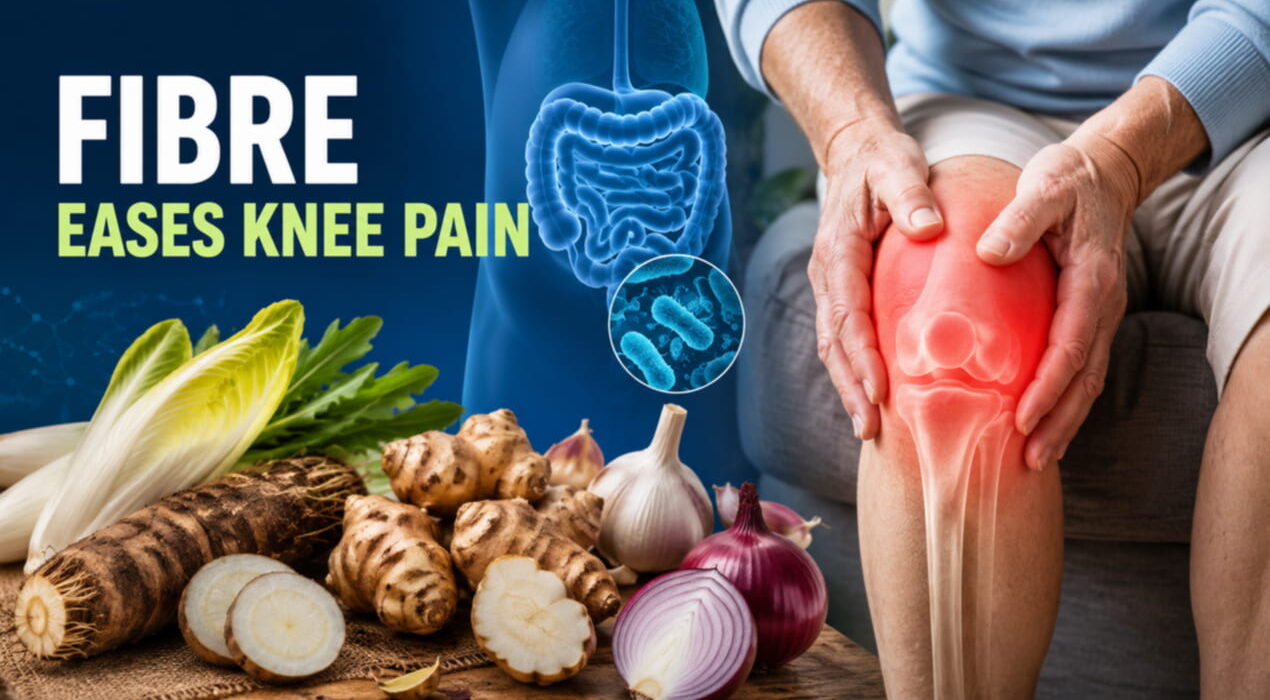
Prebiotic Fibre May Reduce Knee Osteoarthritis Pain, Study Finds
Knee osteoarthritis may one day be managed with something as simple as adding a daily fibre supplement to breakfast, according to a new clinical trial. Researchers found that inulin, a natural prebiotic fibre, significantly reduced knee pain, improved grip strength, and lowered pain sensitivity in adults with the condition. The findings suggest that supporting gut health could offer a safe and practical way to ease symptoms alongside existing treatments.
The INSPIRE clinical trial, led by researchers at the University of Nottingham and published in the journal Nutrients, investigated the effects of inulin in 117 adults with knee osteoarthritis. Inulin is naturally found in foods such as chicory root, Jerusalem artichokes, onions, and garlic. Scientists believe it nourishes beneficial gut bacteria, which produce compounds that may influence inflammation and pain perception.
How Inulin Reduced Pain
Participants were randomly assigned to receive inulin, digital physiotherapy-supported exercise, both treatments, or a placebo for six weeks. Both inulin and physiotherapy independently reduced knee pain, but only the inulin group showed stronger grip strength and reduced sensitivity to pain. Researchers also observed higher levels of butyrate and glucagon-like peptide-1 (GLP-1), substances linked to pain regulation, muscle function, and healthy ageing. These biological changes suggest that improving gut health may positively affect the body’s response to chronic pain.
Better Long-Term Adherence
Researchers also found that participants taking inulin were more likely to stick with the treatment. Only 3.6% of people in the inulin group dropped out of the study, compared with 21% of those following the physiotherapy programme. This suggests that a simple daily supplement may be easier for many people to maintain than structured exercise alone, although physical activity remains an important part of osteoarthritis management.
What the Findings Mean
The researchers say the results highlight a promising gut-muscle-pain connection that deserves further investigation. While larger and longer studies are still needed, the findings indicate that combining a healthy, fibre-rich diet with appropriate exercise could provide a practical and well-tolerated approach to reducing pain and improving quality of life for people living with knee osteoarthritis.