Quetta Congo Virus Case Confirmed in Karachi
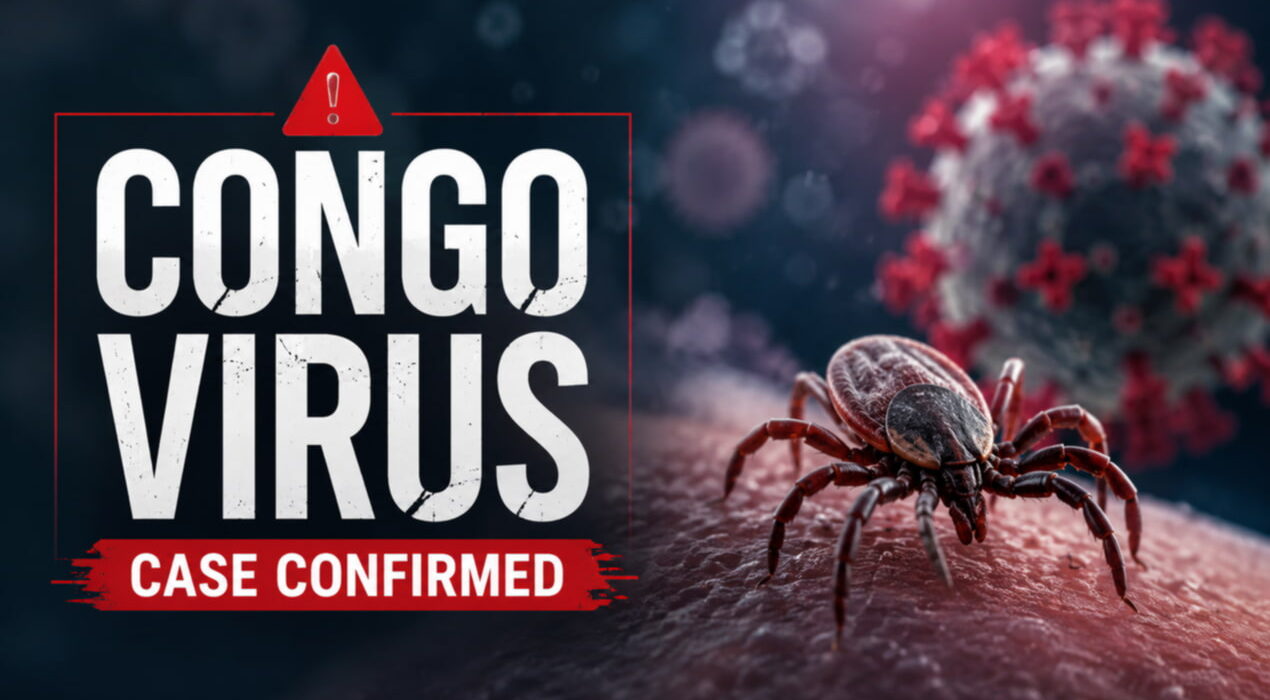
A Quetta Congo Virus case has been confirmed after a 22-year-old patient tested positive for Crimean-Congo Hemorrhagic Fever (CCHF) in Karachi. The patient, identified as Rehmatullah, was brought from Quetta to Jinnah Hospital with severe fever and nose bleeding. Doctors immediately examined him and began treatment while carrying out laboratory tests.
Hospital officials said the patient had a very low platelet count and significantly reduced hemoglobin levels. A PCR test later confirmed the presence of the Congo virus. Therefore, doctors transferred him to Sindh Infectious Diseases Hospital for specialized treatment and close monitoring. His condition remains under medical observation as healthcare teams continue providing supportive care.
Patient Shifted After Positive Test
Medical experts said the patient showed symptoms commonly linked to CCHF. These included persistent fever, bleeding, and weakness. In addition, doctors acted quickly to reduce the risk of further exposure within the hospital.
Health authorities are also monitoring the situation carefully. However, they have not reported any wider outbreak linked to this patient. Officials continue following infection control measures and encourage hospitals to remain prepared for suspected cases.
How the Congo Virus Spreads
Crimean-Congo Hemorrhagic Fever is mainly spread through infected ticks and livestock animals. People can also become infected through direct contact with the blood or body fluids of infected individuals. Therefore, healthcare workers must use protective equipment while treating patients.
Experts recommend wearing gloves, long sleeves, and insect repellents when handling animals or visiting high-risk areas. These simple precautions can greatly reduce the chance of infection.
Previous Cases Raise Awareness
Health records show that six Congo virus-related deaths were reported in Sindh during 2025, including five in Karachi. Earlier this year, a 17-year-old patient from Tando Muhammad Khan also died after developing severe fever and internal bleeding. Therefore, experts continue urging early diagnosis, prompt treatment, and public awareness to reduce the disease’s impact across Pakistan.