Reduced Sunshine Raises Mental Health Care Demand, UK Study Finds
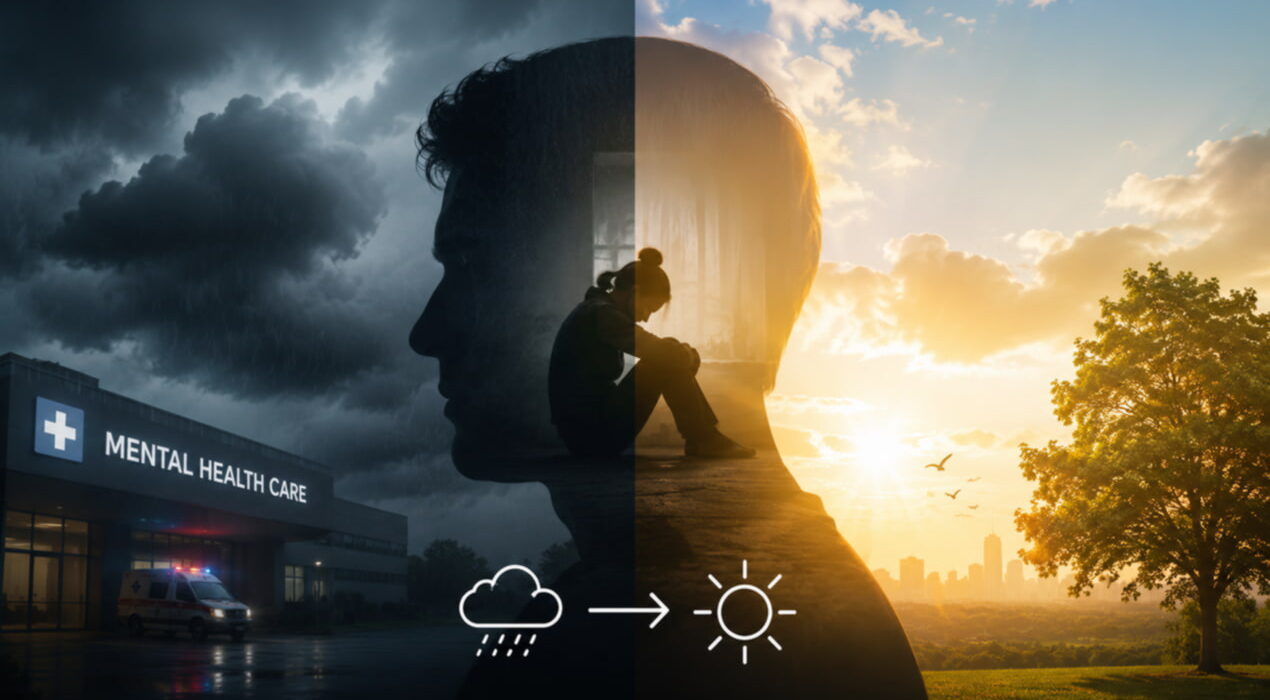
Reduced sunshine may increase the demand for mental health care, according to a large UK study. Researchers found that people were more likely to seek support on days with fewer sunshine hours. The findings suggest weather may influence when people ask for help rather than cause mental illness.
Weather patterns affect healthcare demand
Researchers reviewed more than 4.6 million mental health-related contacts made through NHS 111, emergency departments, and out-of-hours GP services over nine years. Most contacts involved adults aged 15 to 44, while women accounted for slightly more cases than men.
The team compared healthcare use with daily temperature, rainfall, and sunshine records. Warmer weather showed a modest link with more NHS 111 calls and emergency visits. Demand increased until temperatures reached about 18°C, then leveled off. However, GP out-of-hours services showed little change. Overall, healthcare demand varied by around 17% to 20%, showing a measurable but moderate effect.
Sunshine shows the strongest link
Unlike temperature, rainfall showed no clear connection with mental health care demand. However, reduced sunshine consistently matched higher use of all three healthcare services. The increase became more noticeable on days with the least sunshine.
In addition, lower sunshine levels were linked to more anxiety and depression visits in GP out-of-hours services and emergency departments. Adults aged 45 to 64 experienced the largest rise in emergency visits. Meanwhile, results remained similar for both sexes. Researchers also found consistent patterns after removing the COVID-19 years, strengthening confidence in the findings.
Weather may help health services prepare
The study also compared results across England. Sunshine produced similar trends in every region, while temperature effects changed slightly. Rainfall showed the greatest regional differences.
Researchers stressed that the study tracked healthcare visits, not confirmed mental illness diagnoses. Therefore, the findings do not prove weather causes mental illness. Instead, they suggest routine weather may influence when people seek support. As a result, healthcare providers could use weather forecasts to prepare for changing mental health care demand and improve service planning.