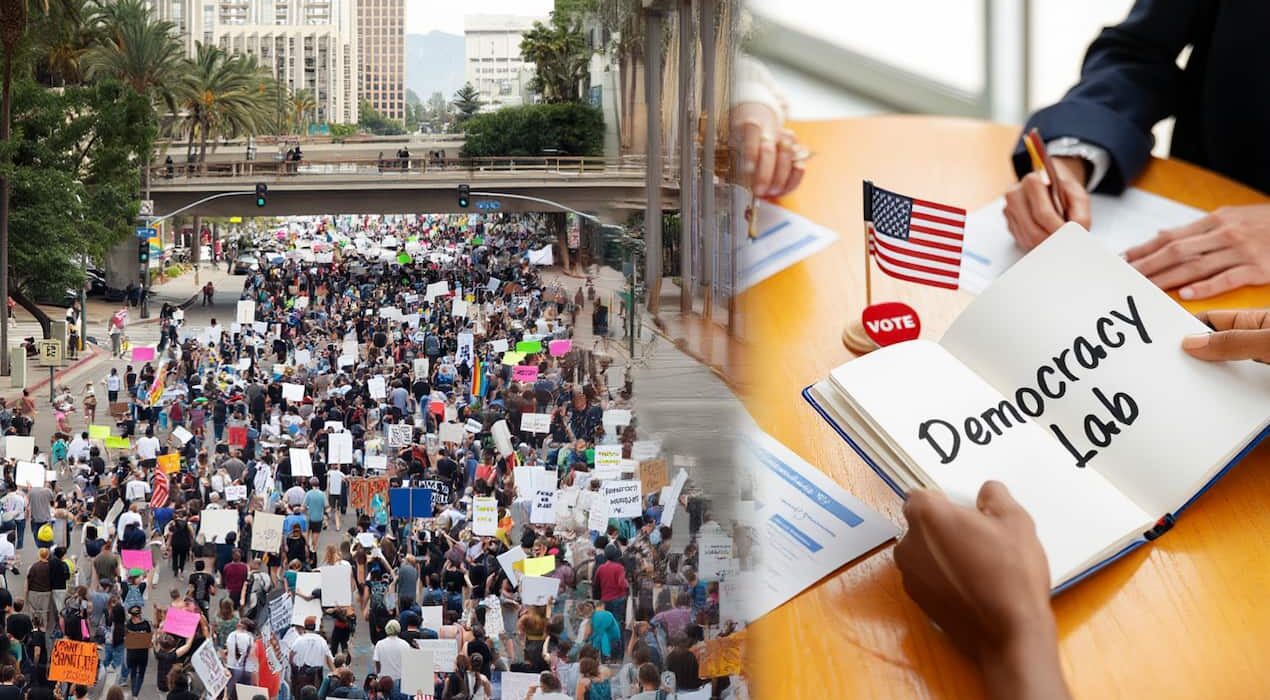
Rutgers Democracy Lab Tackles Polarisation in Higher Education
Rutgers Democracy Lab is working to reduce political divides among students. The new centre operates at Rutgers University–New Brunswick. Leaders aim to create healthier political experiences for young people. As a result, students can better understand different viewpoints.
The lab is part of the Eagleton Institute of Politics. It joins a growing number of initiatives across the United States. These programs focus on healing divisions through education. Therefore, universities are taking a more active civic role.
Promoting Civic Engagement
Nicholas Longo leads the Rutgers Democracy Lab as its first director. He believes universities must not avoid civic responsibilities. Instead, they should prepare students for active participation in democracy.
Longo stressed that every university mission includes educating future citizens. Moreover, he said this work should not become partisan. He added that democracy education should unite people across political lines.
The lab promotes dialogue, civic studies, and engagement. For example, it will launch a “Think and Do Tank.” Students and faculty will work together to solve real-world issues. In addition, the program will expand public service internships.
Building Future Civic Leaders
The Rutgers Democracy Lab also plans a Social Media and Democracy Research Hub. This effort will study online behavior and its impact on politics. As a result, students will better understand modern civic challenges.
Longo noted that many young people lack positive political experiences. Therefore, the lab will encourage respectful discussion and active listening. Students will learn to share ideas and find common ground.
Faculty from different disciplines will support this mission. Both science and humanities courses will include civic learning. In conclusion, Rutgers Democracy Lab aims to build informed and engaged citizens.