Safe Schools Can Improve Child Health and Increase Student Enrollment
A safe school environment plays a major role in protecting children’s health, learning, and overall well-being. Experts believe preventive healthcare should begin before a child enters school. Schools can support this goal by checking routine vaccination records during admissions under Pakistan’s Expanded Programme on Immunization. This process helps identify children who missed vaccines or received incomplete doses. As a result, health authorities can provide catch-up immunization and reduce the spread of preventable diseases in schools and communities.
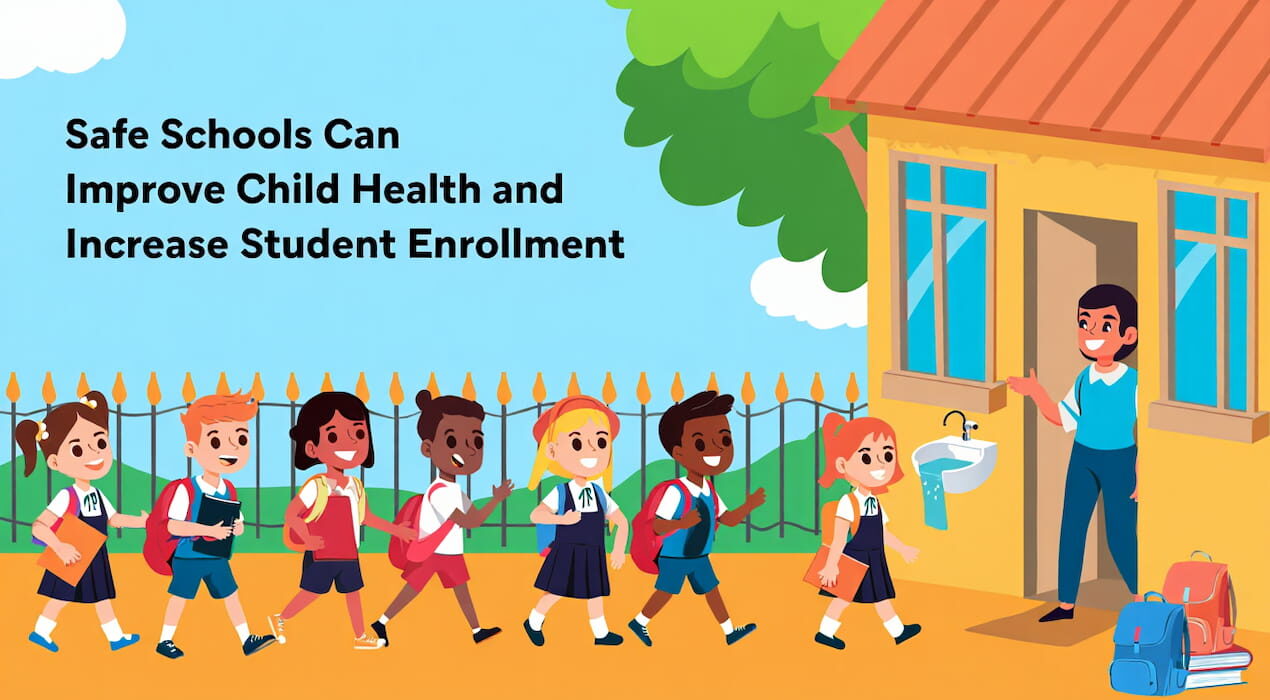
Clean sanitation facilities also remain essential for student health and attendance. Schools should provide safe drinking water, clean restrooms, and proper handwashing areas for all students. Poor hygiene often increases the spread of infections and may reduce attendance, especially among younger children. In addition, gender-sensitive sanitation facilities can encourage girls to attend school regularly and comfortably.
Schools Need Strong Child Protection Measures
Child protection education should also become part of school learning. Children need age-appropriate lessons about personal safety, safe and unsafe touch, and ways to seek help when necessary. Furthermore, teachers and staff should receive training to identify signs of abuse or neglect and follow clear reporting procedures.
Schools can strengthen safety by creating confidential reporting systems for students. Officials should also introduce anti-bullying policies and encourage supportive leadership. Separate sanitation facilities, proper supervision, and disability-friendly infrastructure can help schools become more inclusive for every child.
Safer Schools Can Increase Enrollment
Parents often avoid sending children to schools they consider unsafe. This concern especially affects girls and children with disabilities. Therefore, improving safety standards can build parental trust and encourage enrollment.
Authorities must also improve coordination between education departments, health officials, and local institutions. Regular inspections and staff training can help maintain consistent safety standards. Experts believe safe schools create healthier learning environments where children can grow, learn, and contribute positively to society in the future.