Salmonella Egg Recall: FDA Warns After 1.6 Million Dozen Eggs Recalled
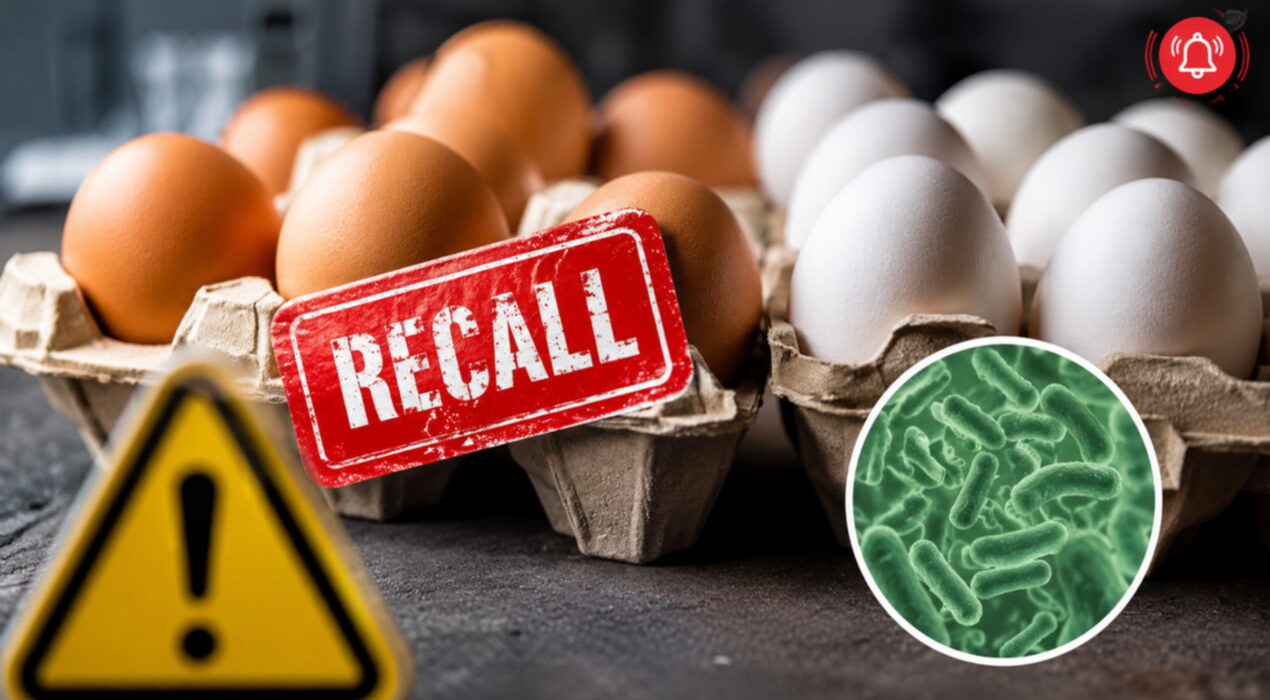
The Salmonella Egg Recall has prompted a nationwide food safety alert after the U.S. Food and Drug Administration announced the recall of nearly 1.6 million dozen eggs. The affected products include white shell eggs and brown cage-free shell eggs produced by Midwest Poultry Services in Texas. Officials said the eggs may carry Salmonella Enteritidis, a bacterium that can cause foodborne illness. Therefore, consumers should check their egg purchases carefully and follow the latest FDA guidance.
Affected Stores and Products
According to the FDA, the recalled eggs were sold at Kroger stores in Texas and Louisiana. In addition, Brookshire Grocery stores distributed the products across Oklahoma, Arkansas, and Mississippi. Midwest Poultry Services has stopped shipping eggs from its Texas farms while the investigation continues. However, the company has not released additional comments. Kroger also did not immediately respond to media requests. Meanwhile, Brookshire Grocery was unavailable for comment when the announcement was issued.
FDA Says No Illnesses Reported
The FDA confirmed that no illnesses had been linked to the recalled eggs at the time of the announcement. Even so, health officials encourage customers to avoid eating the affected products. Instead, consumers should discard the eggs or return them to the store where they were purchased. As a result, these steps can help reduce the risk of foodborne infection and protect families.
Salmonella Symptoms and Safety Advice
Salmonella Enteritidis can live both inside and outside eggs. For example, contaminated eggs may appear normal but still carry harmful bacteria. Symptoms usually develop within 12 to 72 hours after eating contaminated food. Common signs include stomach cramps, diarrhea, nausea, vomiting, fever, chills, and headache. Most people recover without treatment. However, young children, older adults, and people with weakened immune systems may develop serious illness. Therefore, cooking eggs thoroughly, storing them safely, and following FDA recall notices remain the best ways to reduce health risks.