Saudi Arabia Tightens Cosmetic Packaging Rules
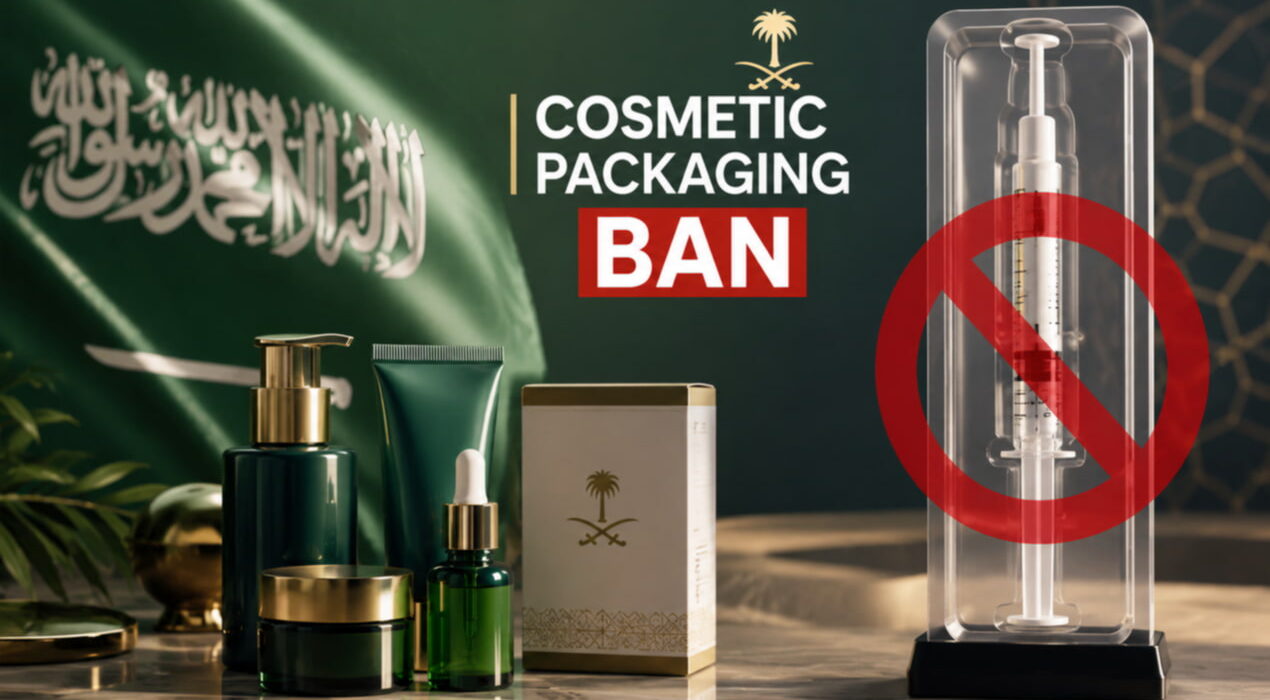
Saudi Arabia will introduce new Saudi cosmetics rules from January 1, 2027. The Saudi Food and Drug Authority (SFDA) will stop sales of external-use cosmetics packed in syringe-style containers. The decision aims to prevent confusion between beauty products and injectable medicines.
The authority found cosmetic products using packaging resembling syringes, ampoules, and vials. Such designs may create safety concerns. Therefore, the measure focuses on packaging.
New packaging requirements
Under the new rules, companies cannot sell external-use cosmetics in syringe packaging. However, products in ampoules and vials can remain on the market.
These products must carry clear warnings in Arabic and English. The labels must state that the product is for external cosmetic use only. They must also warn users not to inject the product.
In addition, packaging must advise consumers to avoid contact with the eyes. It should also explain how to open the product safely. These instructions promote safer handling.
Advertising rules and deadline
The SFDA has also restricted promotional material for these cosmetics. Companies cannot advertise them in ways that suggest injection or use with skin-penetrating devices.
Manufacturers, importers, and other businesses have until December 31, 2026, to meet the requirements. They must either remove non-compliant products or update their packaging.
As a result, businesses should review their products before the deadline. Early action can help companies avoid penalties.
What consumers should know
The changes are designed to make cosmetic products easier to identify and use correctly. Clear labels can help consumers understand that these products are not injectable treatments.
After the deadline, authorities may take legal action against companies and products that do not comply. Consumers should therefore check labels and follow the stated instructions.
The new policy highlights the importance of safe cosmetic packaging. Clear warnings can reduce confusion and support safer use.