Screen Time Risks Raise Fresh Health Concerns
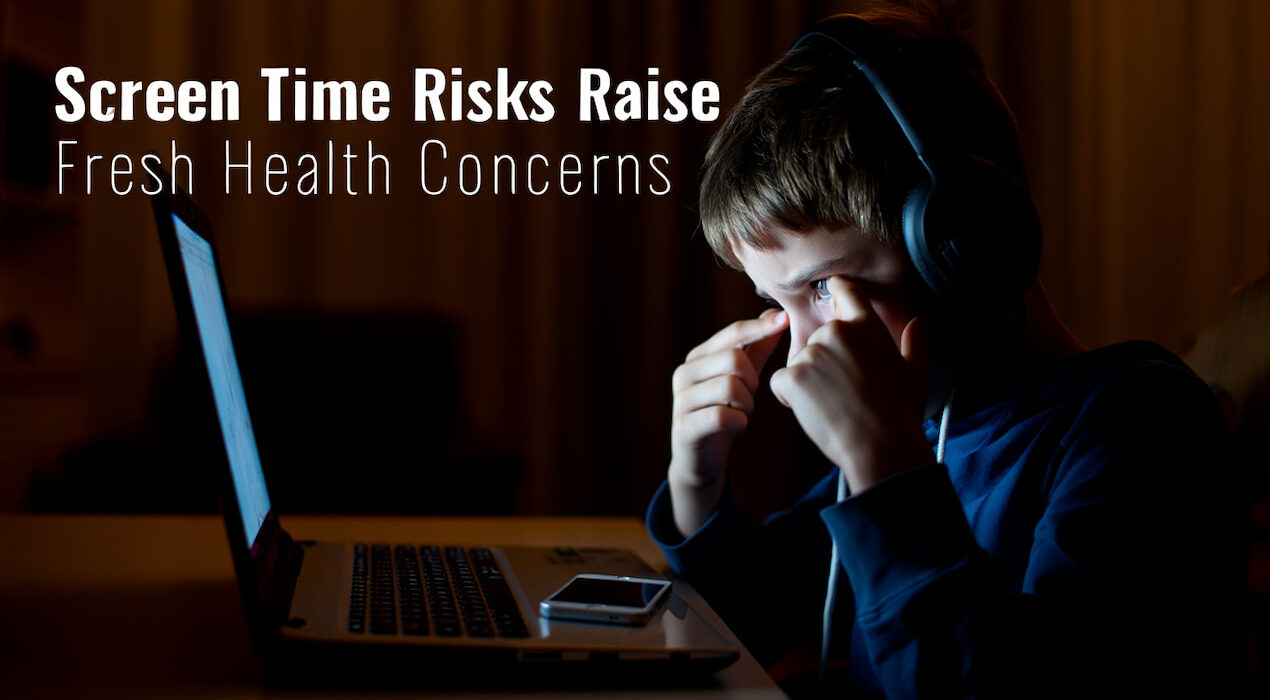
New warnings about screen time risks are putting children’s digital habits under the spotlight. A new advisory from the US Department of Health and Human Services says excessive screen use can harm kids and teenagers. As a result, health officials now consider the issue a growing public health concern.
The report says screen exposure often begins before a child’s first birthday. By adolescence, many young people spend more time on screens than sleeping or attending school.
Experts linked heavy screen use to poor sleep, lower school performance, less physical activity, and weaker in-person relationships. In addition, many teenagers admit they lose track of how long they spend online.
The advisory recommends stricter limits for younger children. For example, officials suggest avoiding screens entirely for children under 18 months. Older children should also balance digital use with outdoor activities and family interaction.
Experts Say Balance Matters Most
The report encourages families to create media plans and set healthy boundaries. Parents should also model positive screen habits themselves. Therefore, experts say healthy behavior starts at home.
Schools are also encouraged to limit phone use in classrooms. Healthcare providers should discuss digital habits during regular checkups. Meanwhile, technology companies face calls for stronger parental controls and better child safety protections.
However, some specialists warn against a one-size-fits-all approach. Researchers say not every type of screen use is harmful. Educational programs and online communities can sometimes support learning and emotional connection.
Experts also stress that addictive behavior matters more than total hours alone. Some studies link compulsive social media use to higher mental health risks among teens.
Still, many health professionals agree that balance remains essential. Children benefit more from outdoor play, movement, social interaction, and real-world experiences than endless scrolling.
The advisory ultimately urges families to use technology thoughtfully instead of allowing screens to dominate daily life.