Ugly Side of Beauty Industry: Rising Aesthetic Clinic Risks in Pakistan
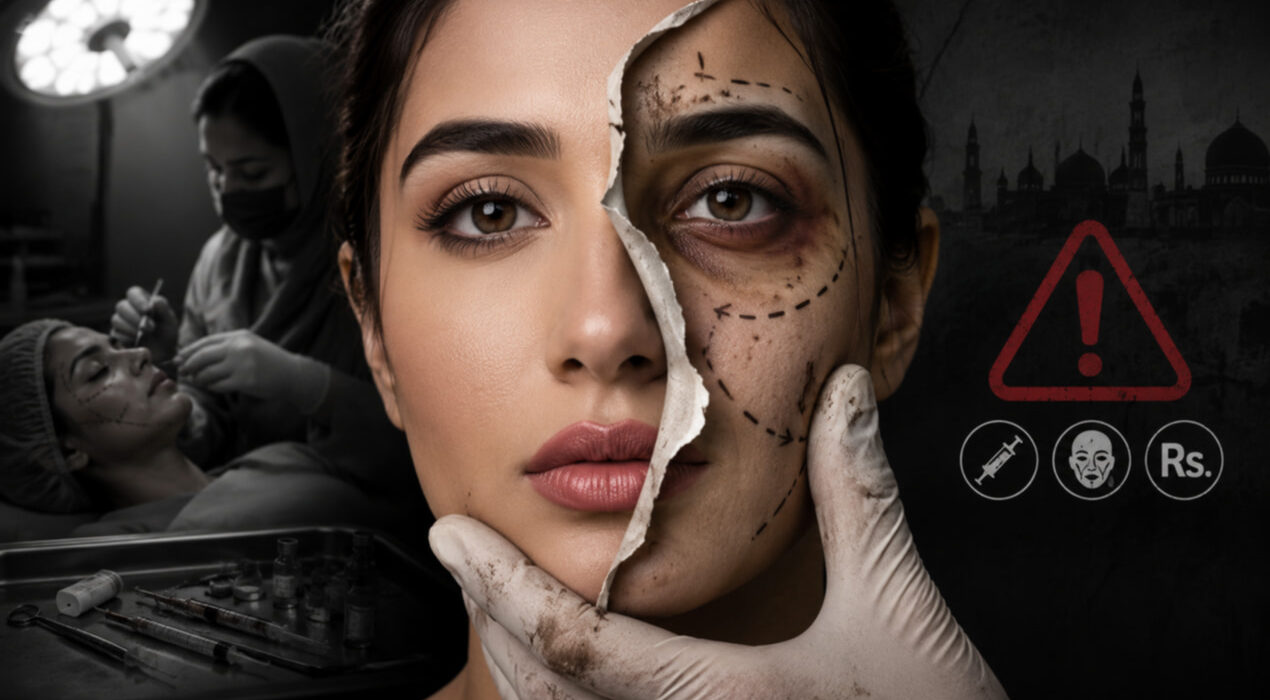
Pakistan is quietly moving toward a preventable public health crisis. It is happening behind the glossy image of modern aesthetic clinics. What once belonged to trained medical specialists is now often controlled by beauty salons. However, regulation has not kept pace with this rapid shift. As a result, patient safety is increasingly at risk.
Rising Demand and Weak Oversight
The demand for aesthetic treatments has increased sharply worldwide. In addition, Pakistan has seen a similar rise in recent years. However, this growth has not been matched with proper training or regulation. Therefore, unqualified operators are filling the gap quickly.
Many professionals report a rising number of patients seeking such procedures. Yet, oversight remains weak and inconsistent. For example, clinics often operate without proper licensing checks or inspections.
Unsafe Devices and Medical Risks
A major concern is the use of unapproved devices and products. Globally standard treatments are often replaced with generic machines. However, these alternatives lack safety testing and proper evaluation.
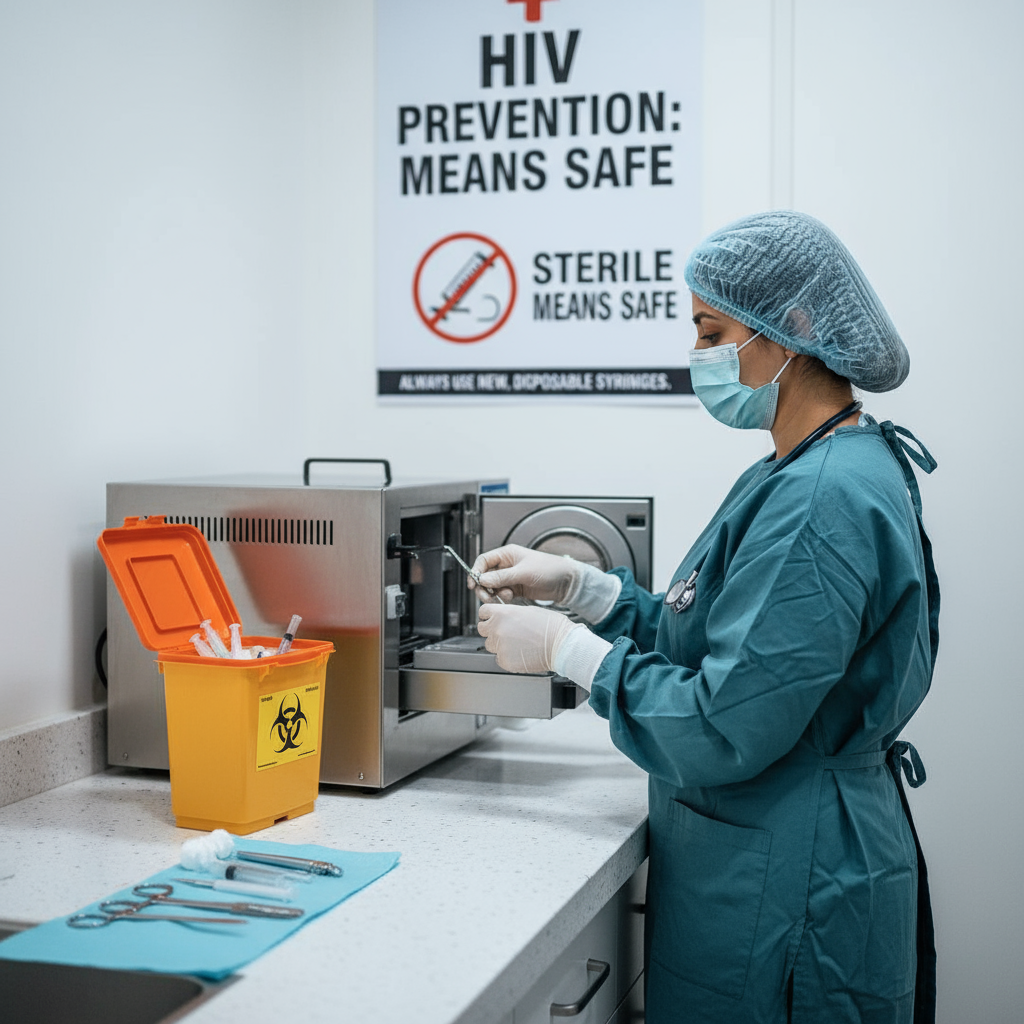
In addition, many laser devices used locally do not meet international safety standards. Therefore, patients face risks like burns, scars, and pigmentation issues. Infection control is also often ignored in many clinics.
Lack of Training and Enforcement Gaps
Pakistan also faces a shortage of trained aesthetic professionals. As a result, non-medical staff often perform complex procedures. This creates serious risks for patient health and safety.
Authorities have taken action in some cases. However, enforcement remains mostly reactive rather than preventive. Therefore, illegal clinics continue to operate across many cities.
In addition, regulatory bodies must strengthen licensing and inspection systems. Proper training programs should also be introduced urgently. Otherwise, this growing industry may lead to long-term health complications and irreversible harm.
Patient awareness is also important in this situation. Therefore, individuals should carefully check qualifications before any procedure. In conclusion, stronger regulation and education can help prevent future risks and protect public health.