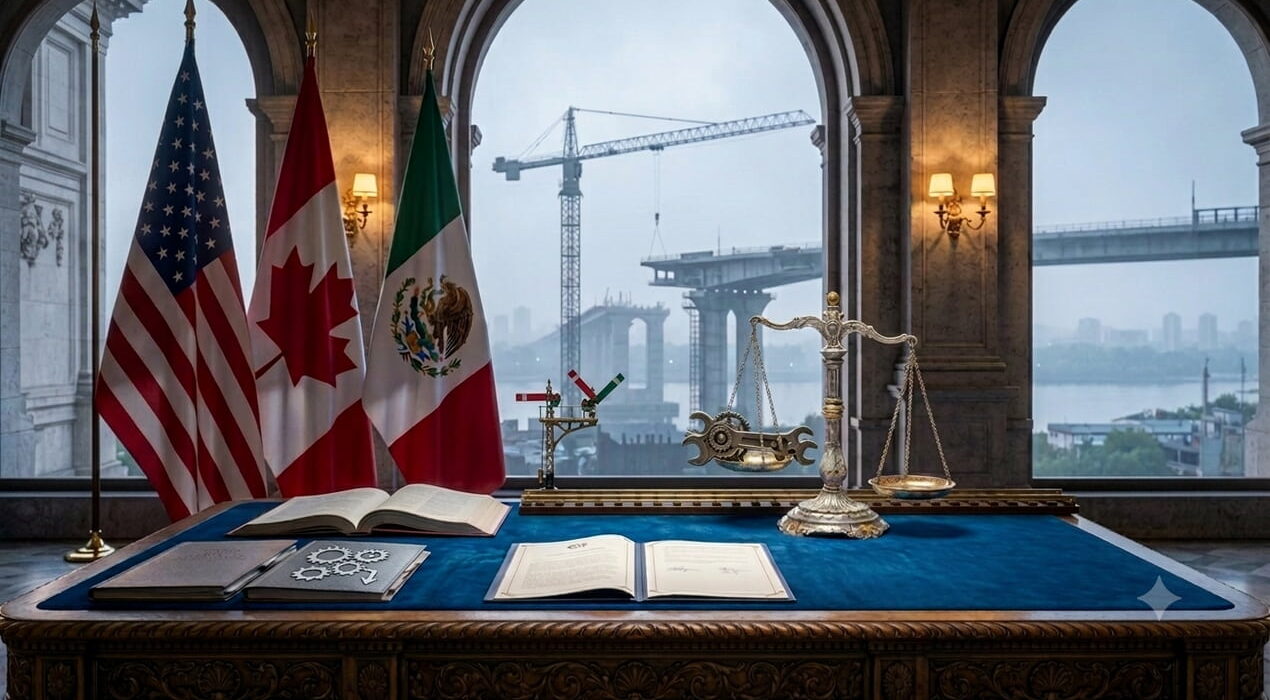
USMCA Trade Deal Review US Signals Changes Ahead
The USMCA trade review has officially started after the United States declined to extend the current agreement. As a result, a 10-year countdown has begun. However, the deal will remain active during this period with yearly reviews. The administration of Donald Trump wants to reshape the agreement. It aims to bring manufacturing jobs back and reduce trade deficits with Canada and Mexico.
Why the US Wants Changes
U.S. Trade Representative Jamieson Greer confirmed the decision. He said the agreement will not continue in its current form. Instead, the US will work with partners to fix key issues. For example, trade deficits remain a major concern. In 2025, the US recorded large gaps with both countries. Therefore, officials believe changes are necessary. In addition, the US plans to strengthen rules of origin. These rules decide where products are made. The goal is to limit benefits to countries like China.
Talks Continue with Mexico and Canada
Negotiations will continue, starting with meetings in Mexico City. Marcelo Ebrard said Mexico is ready to cooperate. However, disagreements remain over stricter auto rules. He stressed that Mexico will protect its automotive industry. At the same time, he believes solutions are possible through dialogue. Meanwhile, Canada is also engaged. Dominic LeBlanc confirmed ongoing discussions. He highlighted the need to support regional growth and competitiveness.
Impact on Industries and Consumers
The United States-Mexico-Canada Agreement supports a massive regional economy. It covers about $1.6 trillion in annual trade. Therefore, any changes could affect many industries. Automakers have raised concerns about stricter rules. For instance, Ivan Espinosa warned about rising car prices. He explained that supply chains cannot shift quickly. Similarly, farmers rely heavily on this agreement. Mexico and Canada buy over one-third of US agricultural exports. As a result, rural communities could face risks if trade slows.
What Comes Next
Officials may create separate trade protocols with each country. However, no timeline has been shared yet. In addition, tariffs already imposed by the US continue to affect trade. Despite criticism, the administration still sees value in negotiations. Therefore, discussions will continue in the coming months. The outcome of the USMCA trade review will shape North America’s economic future. Businesses, workers, and consumers are all watching closely.