Visceral Fat Study Shows Hormone Therapy May Protect Aging Women
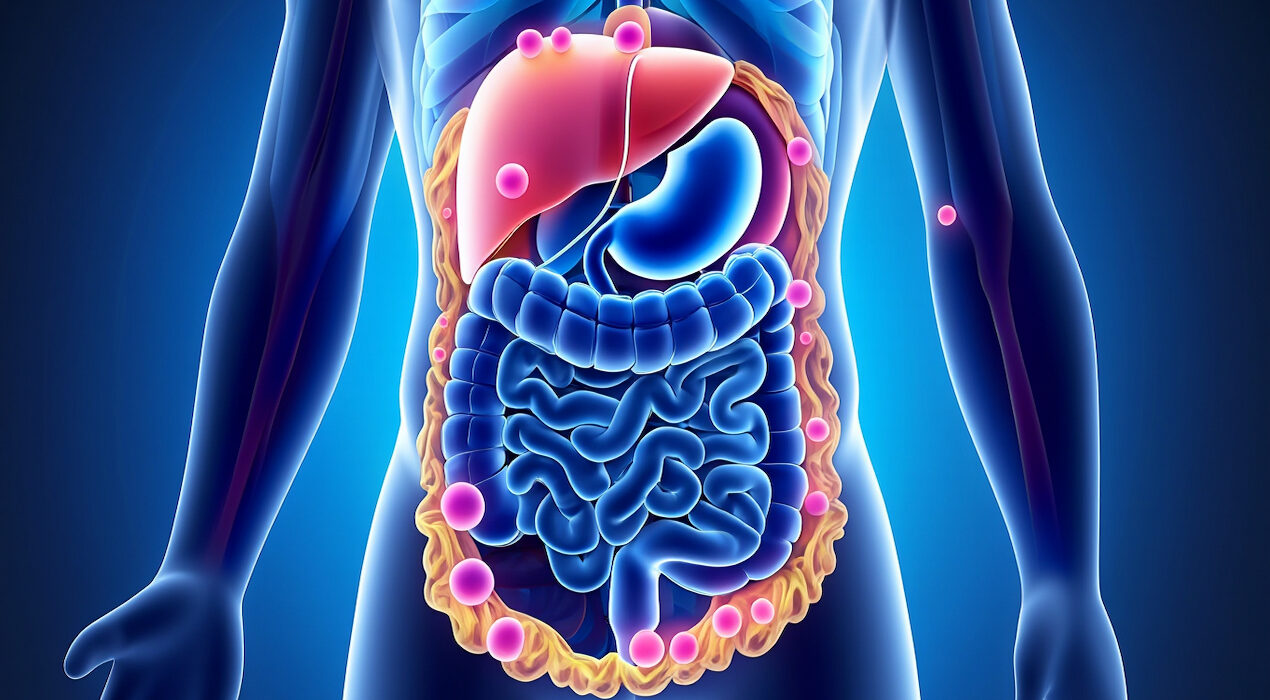
A new visceral fat study suggests scientists may have found a way to reduce dangerous belly fat during aging. Researchers discovered that testosterone therapy helped older women avoid harmful fat buildup after hip fractures. In addition, exercise combined with the treatment improved recovery results. Experts believe this method could support healthier aging and better quality of life. Researchers from University of Connecticut examined how fat changes with age. Most body fat stays under the skin and supports normal health. However, visceral fat collects deep inside the abdomen and surrounds organs. As a result, it increases the risk of diabetes, heart disease, and other serious conditions.
Testosterone Therapy Reduced Belly Fat
Scientists focused on the role of hormones in fat distribution. They explained that testosterone strongly affects where the body stores fat over time. Therefore, researchers tested whether testosterone therapy could lower visceral fat in older women.The clinical trial included 66 women over age 65 who recently suffered hip fractures. Every participant completed a structured exercise program during recovery. However, only one group received a topical testosterone gel.After six months, researchers noticed important differences. Women using the hormone gel showed lower visceral fat levels. Meanwhile, the other group experienced the usual increase in abdominal fat after injury.
Study Offers Hope for Healthy Aging
Researchers explained that traditional weight-loss methods often reduce both fat and muscle. This can create problems for older adults because muscle strength becomes more important with age. Therefore, targeted fat reduction may provide a safer option.The findings appeared in Obesity Pillars. Scientists believe hormone therapy could improve recovery after serious injuries. In addition, the treatment may help older adults maintain independence and mobility.
Experts also stressed that more research is still necessary. However, the early results look promising for aging women facing recovery challenges after hip fractures.