Ultra-Processed Foods Warning: Cardio Health Risks and Industry Sales Tactics Exposed
A growing ultra processed food risk is becoming a serious global concern for heart health experts. Cardiologists warn that these foods may increase long-term disease burden and strain public health systems. In addition, new clinical guidance shows that dietary counselling often ignores their harmful impact. Therefore, experts are urging stronger awareness in medical practice. Although most evidence comes from observational studies, researchers still see a clear and consistent pattern. However, they also acknowledge limits such as bias and confounding factors.
How Food Industry Shapes Eating Habits
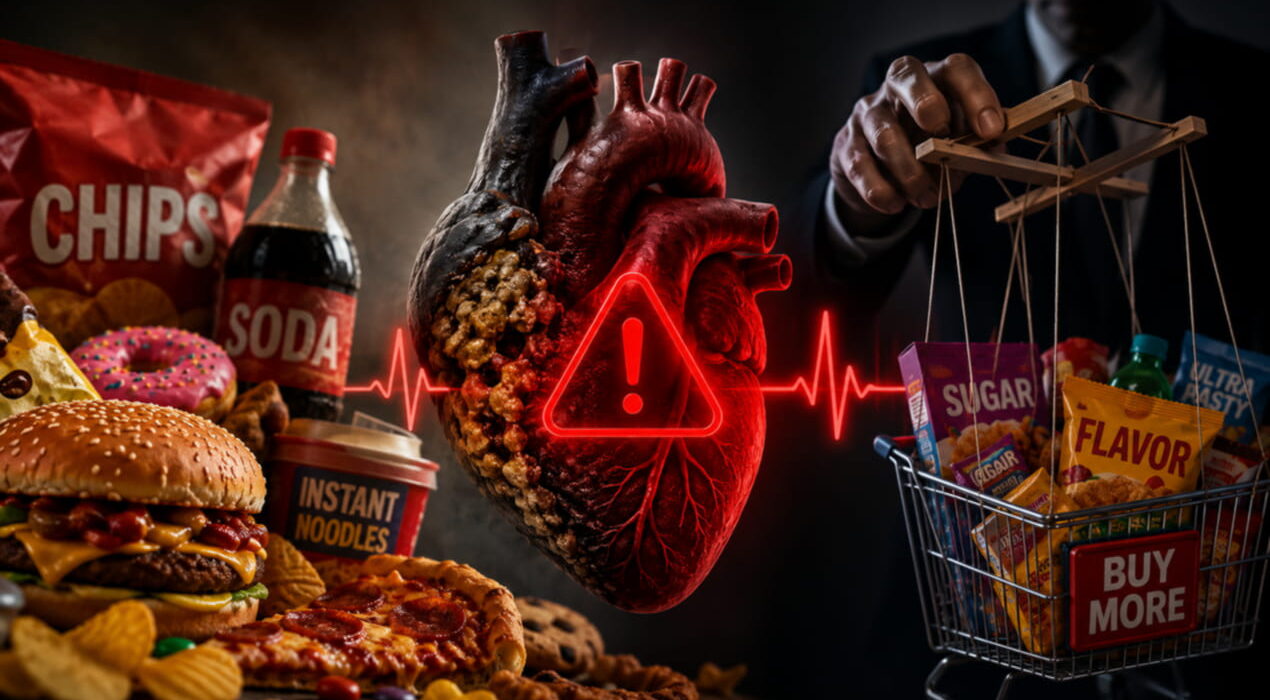
Researchers explain that food companies carefully design products to increase consumption. For example, they combine refined fats and sugars to trigger strong cravings in the brain. In addition, processing methods reduce feelings of fullness, which leads people to eat more. As a result, overconsumption becomes easy and frequent.
Marketing strategies also influence choices. Products often appear convenient, tasty, and affordable. Therefore, healthier options are pushed aside in everyday diets. Children face even stronger exposure to these tactics. Brands use fun designs and digital advertising to attract younger audiences. Moreover, data tracking helps companies improve targeted promotions and boost sales further.
Health Impacts of Ultra-Processed Diets
Studies link ultra-processed foods to obesity, diabetes, heart disease, depression, and early death. In addition, experts say this risk grows with higher intake levels. However, they stress that the issue goes beyond personal choice.
Instead, researchers argue that food environments shape behavior strongly. Therefore, diets high in these products reflect system-wide influences rather than weak willpower alone.
Policy Solutions for Healthier Systems
Experts recommend policy action such as taxes, warning labels, and advertising limits. Some countries have already introduced these measures. As a result, early improvements in public health have been observed.
In addition, stronger regulation could reduce exposure to unhealthy marketing. Ultimately, researchers believe that reducing ultra processed food risk requires coordinated action. Therefore, healthier systems can help protect future generations and improve long-term heart health outcomes.