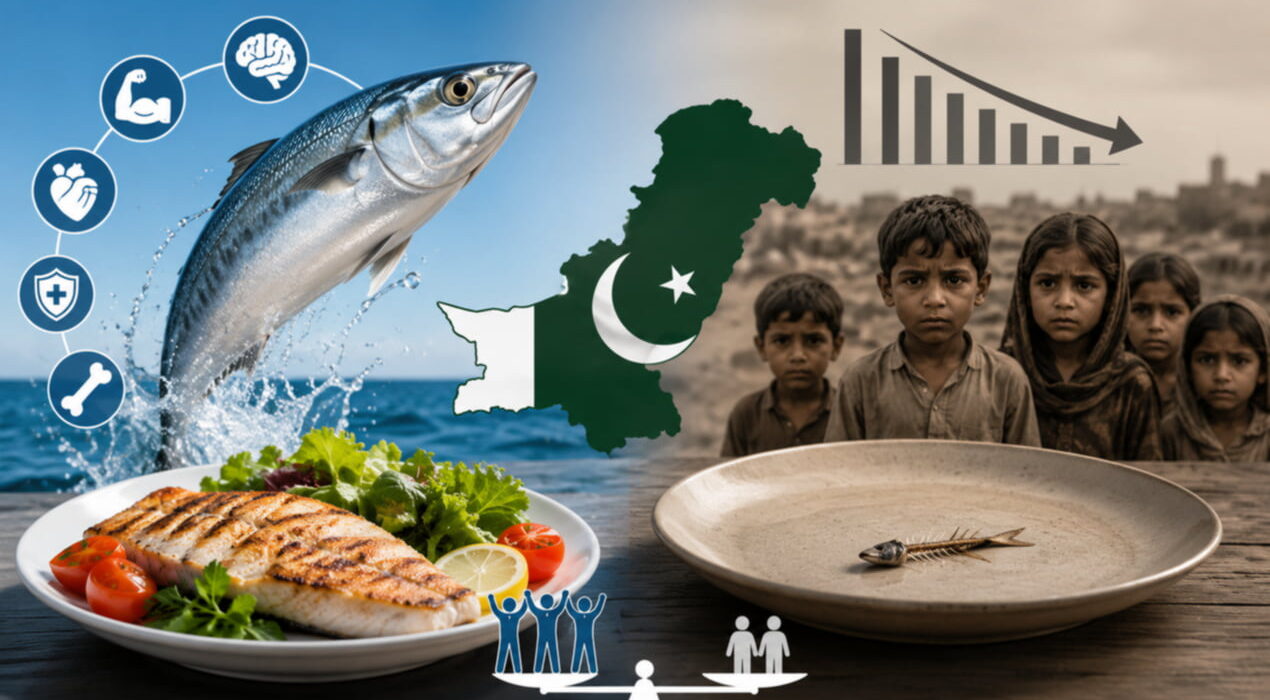
Sea Protein Intake: Fish Benefits and Nutrition Gap in Pakistan
Sea Protein Intake plays a growing role in healthier diets across Pakistan and beyond. Fish offers high-quality protein along with omega-3 fatty acids that support heart health. Therefore, many nutrition experts recommend including seafood in balanced weekly meals. However, awareness and access remain limited in several regions.
Nutrients and benefits
Fish contains EPA and DHA, two omega-3 fats linked with reduced inflammation. In addition, it provides vitamin B12 and vitamin D in varying amounts. These nutrients help support brain function and overall immunity in people.
Cooking methods matter
Preparation methods strongly affect nutritional value and health outcomes. Grilling, steaming and baking preserve nutrients better than deep frying. Deep frying often adds excess fat and reduces benefits from fish.
Pakistan’s consumption gap
Pakistan has access to both marine and inland fisheries. However, per capita fish intake remains around two kilograms yearly. This is far below the global average reported by FAO.
Improving Sea Protein Intake requires better cold-chain systems and market hygiene improvements. These changes help ensure fish reaches consumers in fresh and safe condition. In addition, public awareness campaigns can guide healthier food choices nationwide. For example, families can choose affordable varieties and avoid overcooking seafood. This approach encourages better nutrition habits without increasing household expenses. Moreover, fish consumption can support maternal and child health outcomes. However, people should prioritize low-mercury fish species for safety. Community programs can also promote sustainable fishing practices locally. As a result, demand for fish may increase gradually over time. Ultimately, Sea Protein Intake can become a regular part of diets.
Local governments can support fish value chains by investing in storage facilities and transport networks across regions consistently. Education on cooking methods helps households adopt healthier diets and reduce dependency on fried foods significantly. Sustainable seafood policies can improve nutrition security and strengthen food systems for future generations globally. Expanding fish supply chains can reduce price volatility and improve availability in rural and urban markets significantly better. Consumers benefit when nutrition education aligns with affordable food access and culturally familiar cooking practices at local level. Public health strategies should integrate market regulation, storage improvement and community awareness for lasting impact across regions today. Better infrastructure ensures consistent supply and reduces waste throughout the food distribution network effectively for improved nutrition outcomes. Small scale fisheries play an important role in supporting livelihoods and ensuring food security stability in coastal areas. Sustained policy focus can transform dietary patterns and improve long term public health outcomes overall effectively.