Weight-Loss Drugs Drive Cosmetic Treatment Surge Among US Men
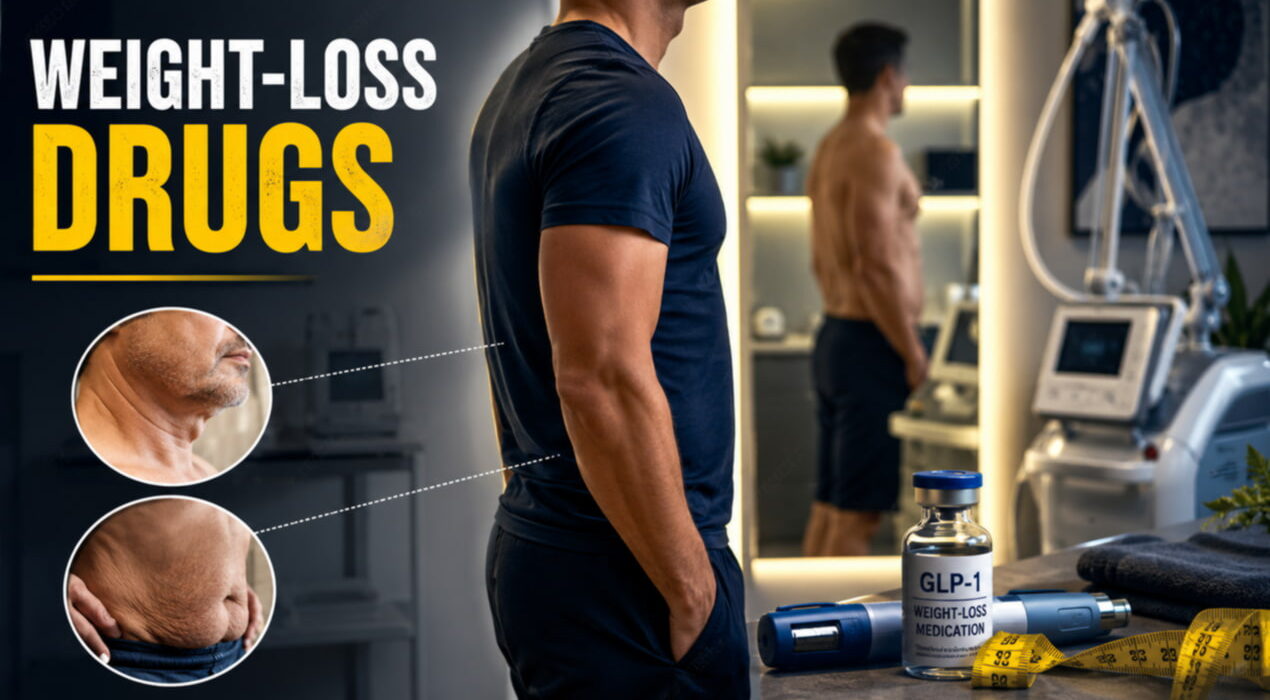
The growing use of GLP-1 weight-loss drugs is encouraging more American men to consider cosmetic treatments. Rapid weight reduction can leave loose skin, reduced facial volume and temporary hair loss.
Recent prescription data shows men represented 28.3% of weight-loss prescriptions in 2026. Four years earlier, men accounted for 18.3%. Cosmetic clinics are also seeing this shift.
Rapid Weight Loss Changes Appearance
Weight loss can improve health and wellbeing. However, some men notice unexpected changes.
For example, some patients seek facelifts after losing facial volume. Others consider tummy tucks or liposuction to address loose skin and body contours.
Plastic surgeons report stronger demand from male patients. The American Society of Plastic Surgeons recorded about 1.7 million cosmetic procedures among men in 2024. That marked a 2.7% rise from the previous year.
Men Increasingly Seek Cosmetic Procedures
Men feel more comfortable discussing cosmetic concerns. Social media has also increased attention on appearance.
Some younger men focus on loose skin and body contouring. Meanwhile, older patients may seek treatments for ageing around the face and neck.
Hair loss can create another concern after rapid weight reduction. Dermatologists say physical stress from fast weight loss can trigger temporary hair shedding.
Doctors may suggest options such as minoxidil or platelet-rich plasma treatment. Patients should discuss these choices with qualified professionals.
Costs and Changing Beauty Standards
Cosmetic procedures can involve significant expenses. Health insurance generally does not cover elective cosmetic surgery, leaving patients responsible for treatment costs.
Experts say the trend reflects changing attitudes toward male beauty. GLP-1 drugs may help men reach weight goals, but appearance changes can create concerns.
Therefore, doctors recommend realistic expectations and professional guidance before cosmetic treatment. Ultimately, decisions about procedures should remain personal and based on individual needs.