What Will Humans Eat If All Crops Destroyed? Arctic Seed Vault Protects Global Food Future
As climate change, conflicts, and natural disasters threaten food systems worldwide, scientists continue to search for ways to protect agriculture. One important solution is the Arctic Seed Vault. This secure facility stores seeds from thousands of crop varieties and helps safeguard the future of global food production. If major disasters destroy crops, these preserved seeds could help communities rebuild food supplies and restore farming systems.
Why the Arctic Seed Vault Matters
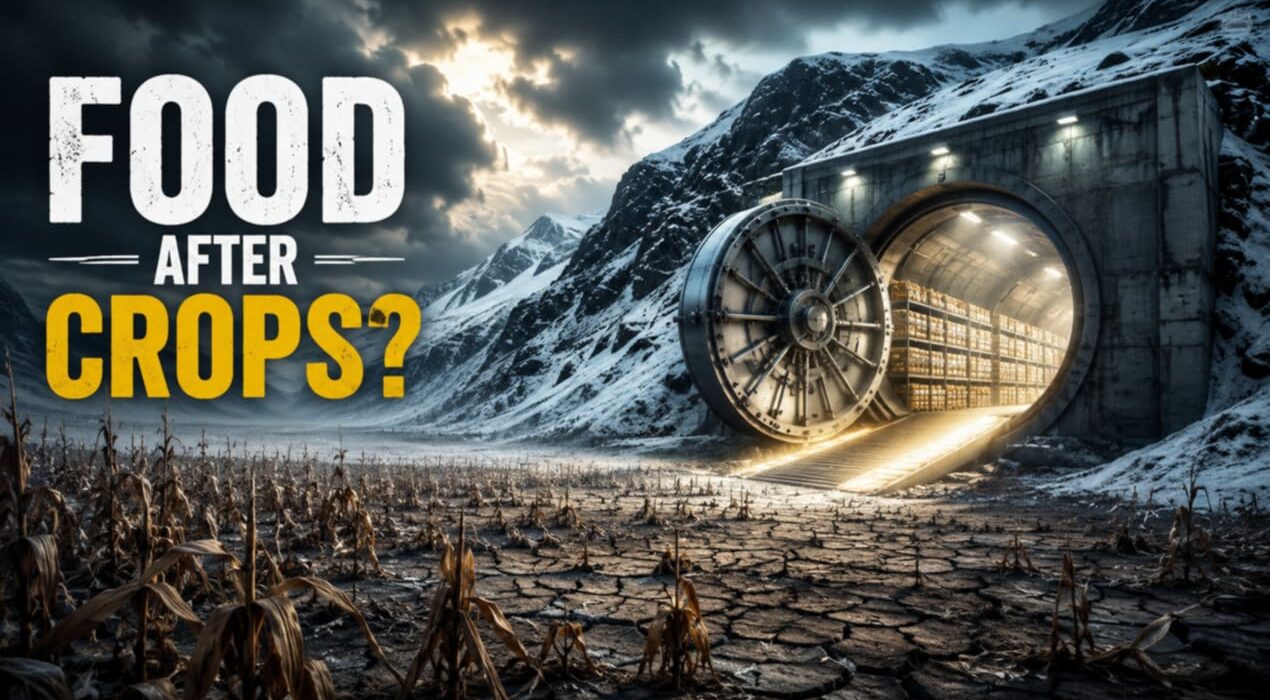
The Arctic Seed Vault sits on the remote Arctic island of Svalbard in Norway. Engineers built the facility deep inside a mountain to provide maximum protection. Thick layers of rock, ice, and permafrost surround the vault and help keep conditions stable.
The facility serves as a backup for gene banks around the world. Countries send duplicate seed samples to the vault for safekeeping. As a result, valuable crop varieties remain protected even if local seed collections suffer damage. This approach helps preserve agricultural diversity for future generations.
A Global Backup for Food Security
The vault contains millions of seed samples from many regions. These collections include essential crops such as wheat, rice, and maize. Scientists can use these seeds to restore food production after disease outbreaks, environmental disasters, or conflicts.
Natural Arctic temperatures also support long-term preservation. In addition, the facility can withstand earthquakes, flooding, and other extreme events. Therefore, experts consider it one of the safest places for protecting agricultural resources.
Can Seeds Save Humanity’s Food Future?
The Arctic Seed Vault offers an important safety net for the world. However, experts stress that stored seeds alone cannot solve every challenge. Protecting ecosystems and reducing climate risks remain essential goals.
Strong environmental policies can help prevent food crises before they begin. Meanwhile, the Arctic Seed Vault stands ready as a global backup plan. Its growing collection continues to protect crop diversity and support future food security for people everywhere today.