World Hepatitis Day 2026 Urges Action Against Viral Hepatitis
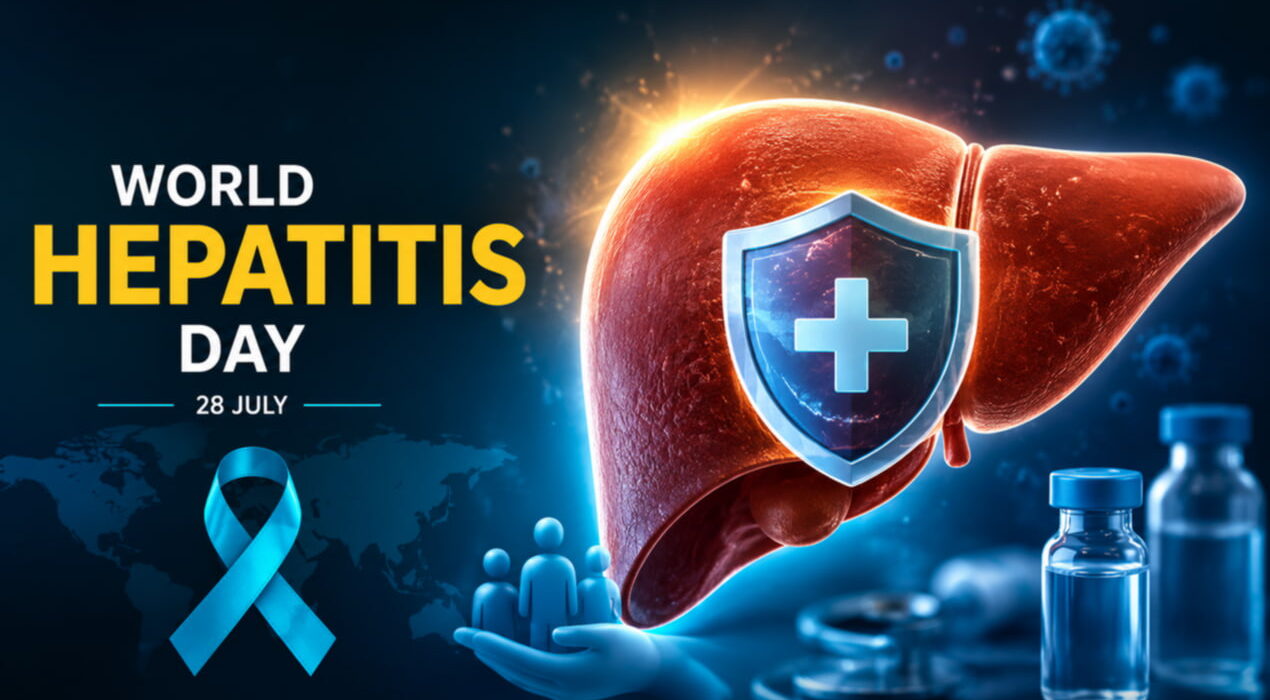
The world marks World Hepatitis Day 2026 on 28 July to increase awareness of viral hepatitis. This disease causes liver inflammation and can lead to liver cancer or severe liver damage. However, early testing, timely treatment, and vaccination can protect millions of lives. The campaign also reminds people that everyone deserves equal access to quality healthcare. Health experts encourage communities to learn the facts and seek medical advice without delay.
Why Awareness Still Matters
This year’s theme, “Hepatitis: Let’s break it down,” encourages governments, health workers, and communities to remove barriers to care. Many people still live with hepatitis without knowing they have it. As a result, they often miss the chance for early treatment. In addition, stigma and misinformation continue to stop people from getting tested. Better education can help families understand the disease and support those who need care. Strong public awareness also helps reduce fear and encourages healthy choices.
Prevention and Treatment Save Lives
Medical science already offers effective tools to fight viral hepatitis. Vaccines can prevent several infections, while modern tests help doctors detect the disease early. Furthermore, hepatitis C can often be cured with medicine. People living with hepatitis B can also manage their condition through lifelong treatment. Even so, many communities still struggle to access these lifesaving services. Therefore, improving healthcare systems remains a global priority.
Turning Science Into Action
The World Hepatitis Day 2026 campaign calls for stronger political commitment and greater investment in healthcare. It also promotes equal access to prevention, testing, treatment, and ongoing support. Governments, healthcare providers, and community organisations all have important roles to play. Together, they can reduce new infections and prevent avoidable deaths. By breaking barriers and expanding access to care, the world can move closer to eliminating viral hepatitis and protecting future generations from this preventable disease.