World’s First Sub-1nm Chip Packs 100 Billion Transistors
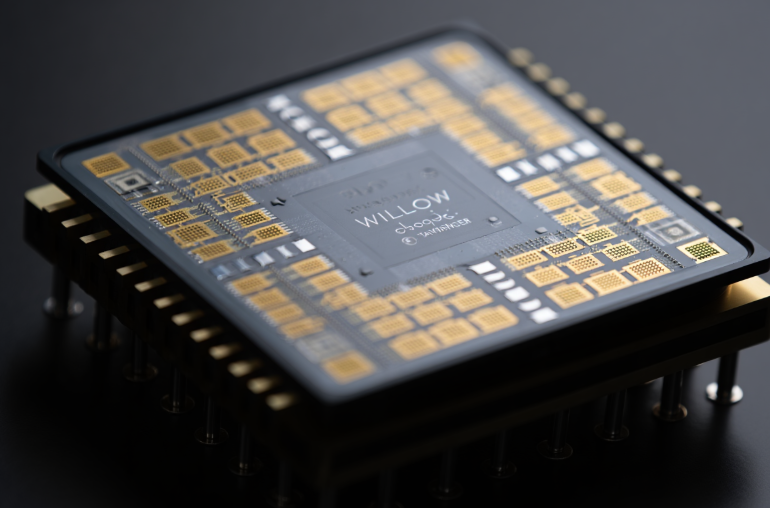
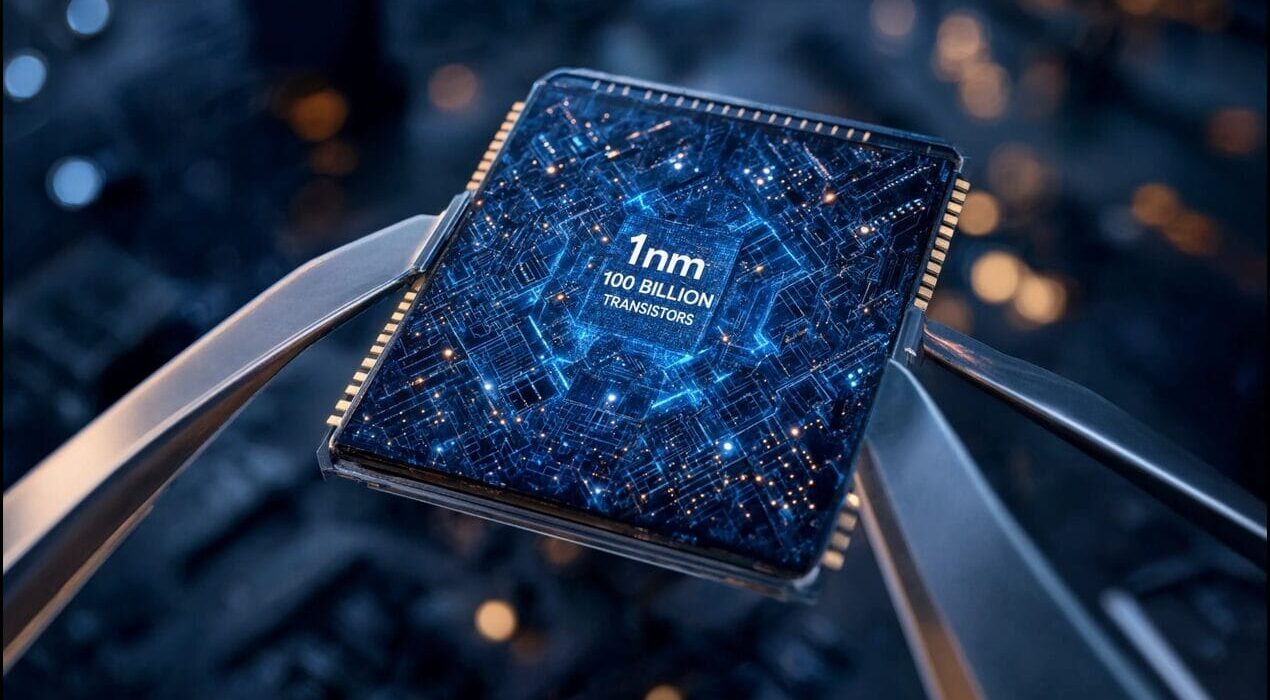
The Sub-1nm chip marks a major milestone in semiconductor innovation. Engineers have developed a fingernail-sized chip that reportedly contains 100 billion transistors. As a result, the breakthrough could support faster and more efficient computing. Chip technology continues to evolve at an impressive pace. Manufacturers aim to increase performance while reducing power consumption. Therefore, smaller and denser designs remain a key industry goal. The latest development demonstrates how far semiconductor engineering has progressed. Packing billions of transistors into a tiny space requires advanced manufacturing techniques. Consequently, researchers view this achievement as an important technological step.
Why Smaller Chips Matter
Transistors are the building blocks of modern processors. More transistors allow chips to perform more calculations at higher speeds. For example, advanced processors can improve artificial intelligence, gaming, and scientific computing. A sub-1nm design may also increase energy efficiency. Lower power consumption helps extend battery life in portable devices. As a result, future smartphones, laptops, and data centers could benefit from these improvements. The technology could support a wide range of industries. Faster processors enable better machine learning, cloud computing, and automation. In addition, they may improve performance in medical research and engineering applications.
What the Breakthrough Means
Semiconductor companies continue competing to develop smaller and more powerful chips. Every new manufacturing milestone pushes computing capabilities forward. Therefore, innovation in chip design remains essential. The Sub-1nm chip reflects the growing demand for high-performance computing. Consumers and businesses increasingly rely on powerful processors for everyday tasks. Consequently, advancements in transistor density can have a broad impact. Although commercial availability may take time, the achievement highlights the rapid progress of semiconductor research. Engineers continue exploring ways to improve speed, efficiency, and reliability. Furthermore, future generations of processors may build on this foundation. The world’s first Sub-1nm chip demonstrates how innovation continues to reshape computing. As technology advances, increasingly powerful processors could transform devices and industries around the world.