Bat Rabies Death: 11-Year-Old Canadian Boy Dies After Bat Lands on Face
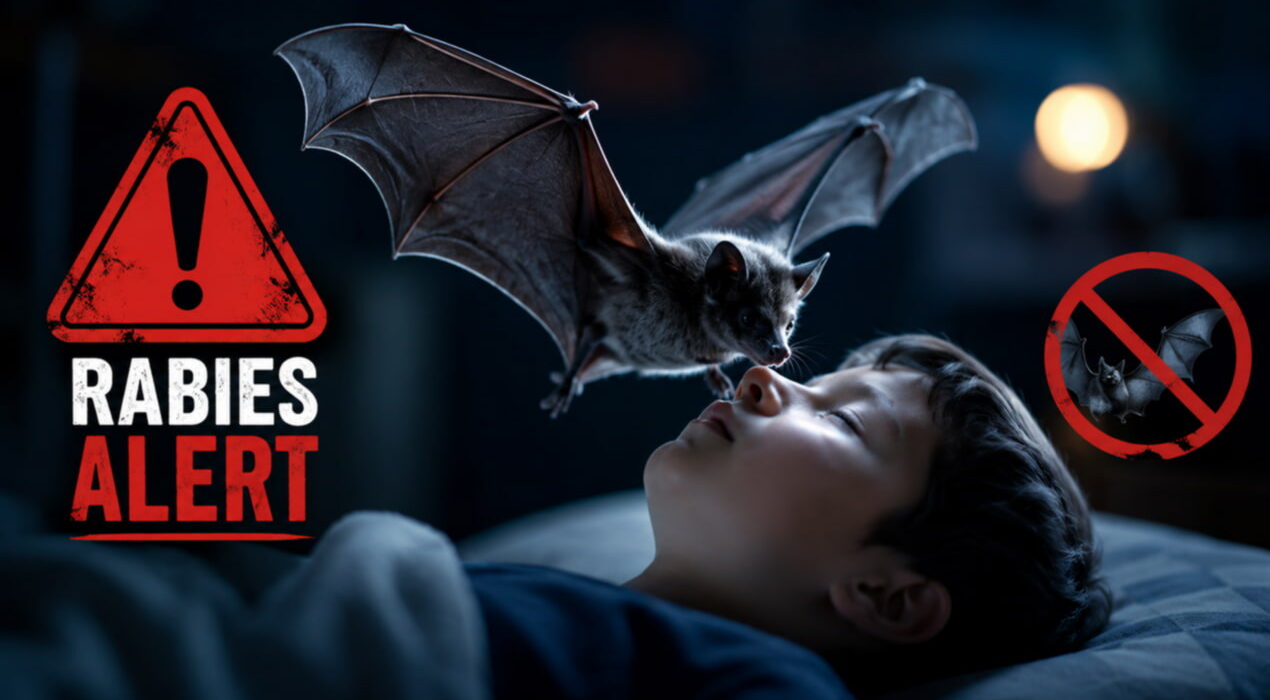
An 11-year-old boy in Canada died from rabies after a bat briefly landed on his face, despite doctors finding no visible bite or scratch marks. The tragic case happened in Ontario and has raised fresh concerns about the hidden dangers of contact with bats. According to a case report published in the Canadian Medical Association Journal, this is the first locally acquired rabies death reported in Ontario since 1967. The boy appeared healthy after the incident, so his family did not seek medical care because there were no obvious signs of injury.
Symptoms Appeared Weeks Later
About 19 days after the bat landed on his face, the boy developed facial numbness, vomiting, and severe pain. His condition quickly worsened. He later experienced slurred speech, fever, difficulty swallowing, confusion, and hallucinations. Doctors in the pediatric intensive care unit immediately suspected rabies because of his recent bat exposure and neurological symptoms. However, by the time the diagnosis was made, the disease had already progressed too far. The boy died on the 17th day of his hospital stay after life support was withdrawn.
Why This Case Matters
Medical experts warn that the absence of a bite mark does not mean there is no risk of rabies. Bat bites can be extremely small and may go unnoticed. Once rabies symptoms appear, the disease is almost always fatal. Worldwide, fewer than 35 people are known to have survived rabies after symptoms developed. In North America, bats remain the leading source of human rabies infections.
Doctors Urge Immediate Action
Health experts advise anyone who has direct contact with a bat to seek medical attention immediately, even if there is no visible wound. Post-exposure prophylaxis (PEP) consists of a series of vaccines given before symptoms begin and can prevent rabies from becoming fatal. The boy’s family agreed to share his story publicly to raise awareness and encourage others to act quickly after any bat exposure. Their message highlights that early treatment saves lives, while waiting for symptoms can have tragic consequences.