E-Cigarette Lung Cancer Risk Higher Than Quitting All Tobacco, Korean Study Finds
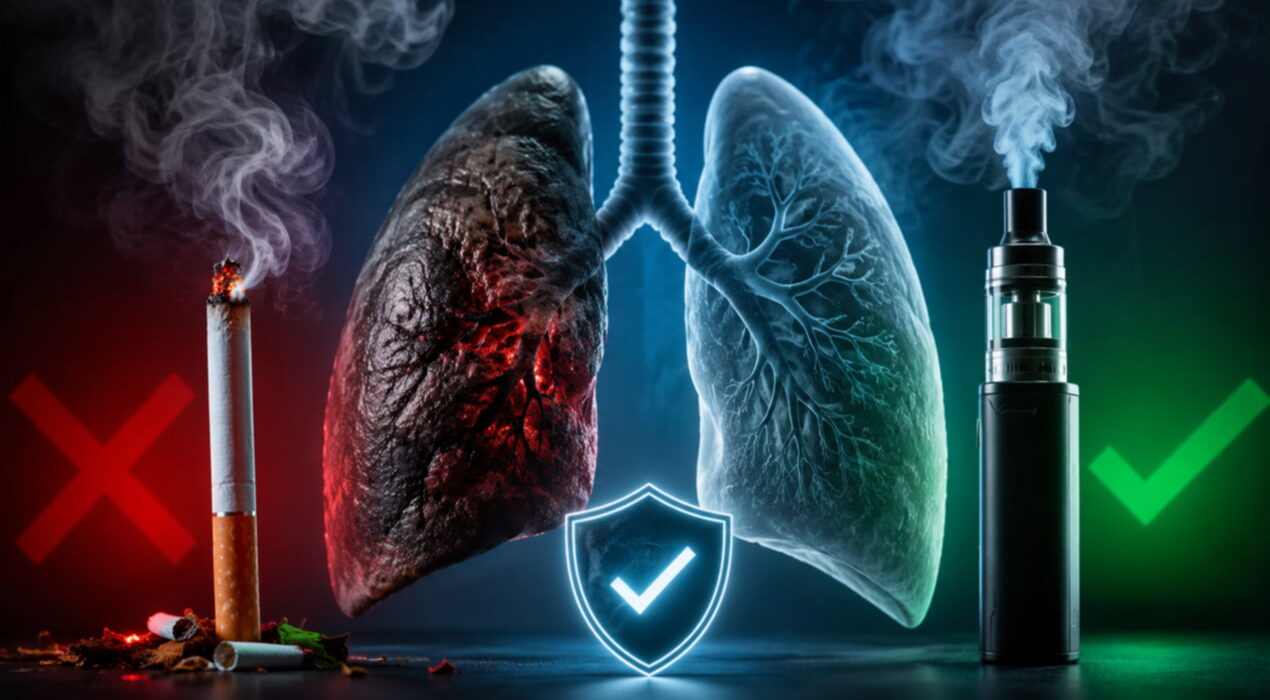
A major Korean study has found that e-cigarette lung cancer risk remains higher for former smokers who switch to vaping instead of quitting all tobacco products. Researchers say complete smoking cessation offers the strongest protection against lung cancer and related deaths.
Switching to vaping still carries risks
Researchers from Seoul National University Bundang Hospital examined health records of more than 4.5 million Korean adults with a history of smoking. They compared people who quit smoking completely with those who switched to daily e-cigarette use.
The results were concerning. Former smokers who used e-cigarettes every day faced a 56 percent higher risk of developing lung cancer. They also had twice the risk of dying from the disease. However, people who continued smoking conventional cigarettes experienced even greater health risks.
High-risk smokers face greater danger
The study found stronger effects among adults aged 50 to 80 with at least 20 pack-years of smoking. This group already has a high chance of developing lung cancer. As a result, switching to e-cigarettes increased their cancer risk by 91 percent. Their risk of dying from lung cancer also rose by 92 percent compared with people who quit all tobacco products.
Experts recommend complete cessation
Researchers explained that e-cigarettes produce fewer harmful chemicals than conventional cigarettes because they do not burn tobacco. Even so, they still expose users to substances that may damage the lungs. Therefore, they should not be viewed as completely safe.
Professor Kim Yeon-wook said many people believe vaping means they have successfully quit smoking. However, the findings suggest otherwise. Although e-cigarettes may be less harmful than traditional cigarettes, they do not provide the same protection as complete tobacco cessation. In addition, the researchers urged smokers to quit every tobacco product instead of replacing one habit with another. They believe this approach offers the best chance for long-term health and lower cancer risk.