Heard Island Bird Flu Crisis Kills Thousands
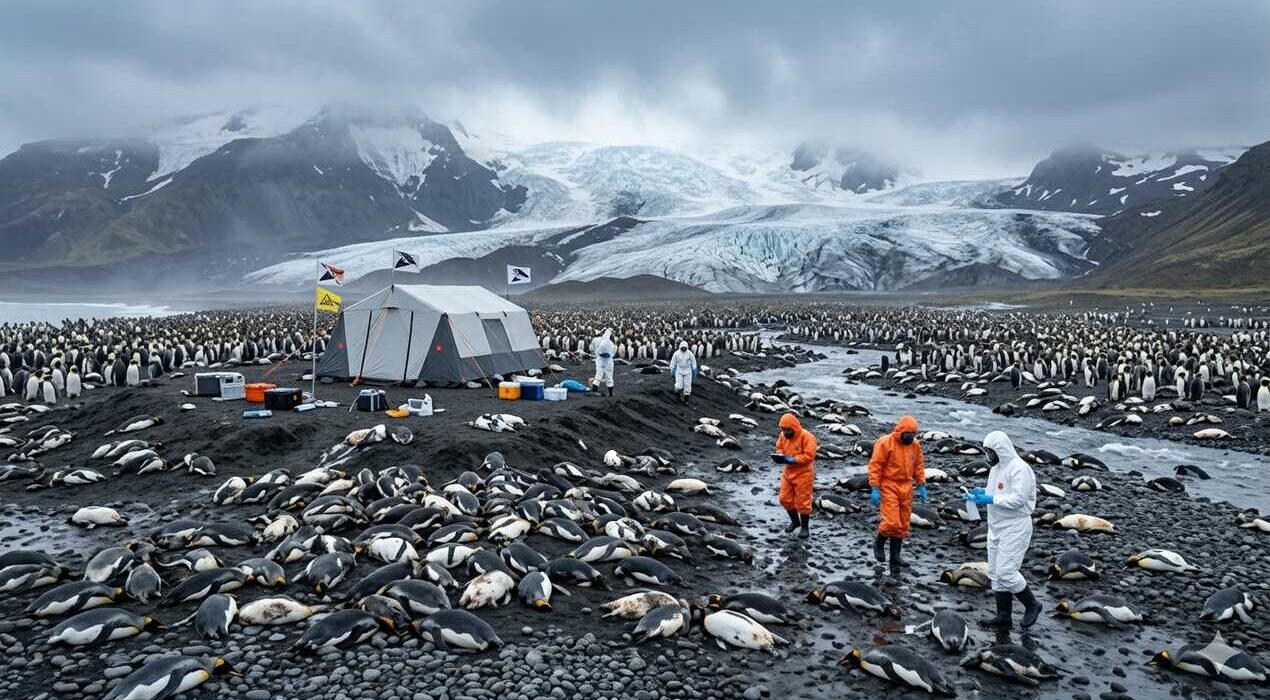
The Heard Island bird flu crisis has devastated local wildlife. These remote islands are located approximately 4,000 km southwest of Australia. More than one million seabirds and seals normally breed there. However, the H5N1 strain has had a devastating impact on the ecosystem.
Scientists collected data last October and again in January. Their findings reveal a shocking death toll. Approximately 13,000 baby seals have died since August, representing more than 75% of a population estimated at 17,000 animals. The outbreak has been particularly severe among young seal pups.
Researchers have also recorded significant losses among penguin populations, although exact numbers remain uncertain. The impact clearly extends beyond seals and poses a serious threat to the broader ecosystem.
Australia Stands Apart
Australia remains the only continent without confirmed H5N1 cases. The disease has spread widely among bird populations across the world and has also affected various mammal species.
As a result, scientists continue to monitor Australia’s borders closely. Many experts remain concerned about the possibility of the disease reaching the continent.
The Heard Island outbreak demonstrates how rapidly avian influenza can spread, even in isolated locations. Consequently, conservationists are urging authorities to strengthen monitoring programmes and expand research efforts.
Koalas and kangaroos may also face indirect risks if ecosystems and food chains are disrupted. In addition, migratory birds could carry the disease into new regions, increasing the threat to wildlife populations elsewhere.
Experts are calling for comprehensive response plans and enhanced surveillance systems. Early detection remains one of the most effective tools for limiting future outbreaks.
Scientists continue to assess the full impact of the crisis and hope that lessons learned can help prevent similar events in other regions. The Heard Island bird flu crisis serves as a stark reminder of the importance of global cooperation in disease surveillance and wildlife conservation.