Pakistan Education Emergency: 25 Million Children Still Out of School
More than 25 million children remain out of school despite the Pakistan education emergency declared over two years ago. A policy review by the Civil Services Academy says poor implementation continues to slow progress. The report, cited by The News, argues that Pakistan already has enough education policies. However, officials have failed to turn those plans into lasting results. As a result, millions of children still miss their constitutional right to free and compulsory education under Article 25-A.
Provinces face different education challenges
The review estimates that between 25.1 million and 26 million children remain out of school. It also says Pakistan has the world’s second-largest out-of-school child population. Therefore, the report urges each province to adopt solutions based on local realities instead of using one national model.
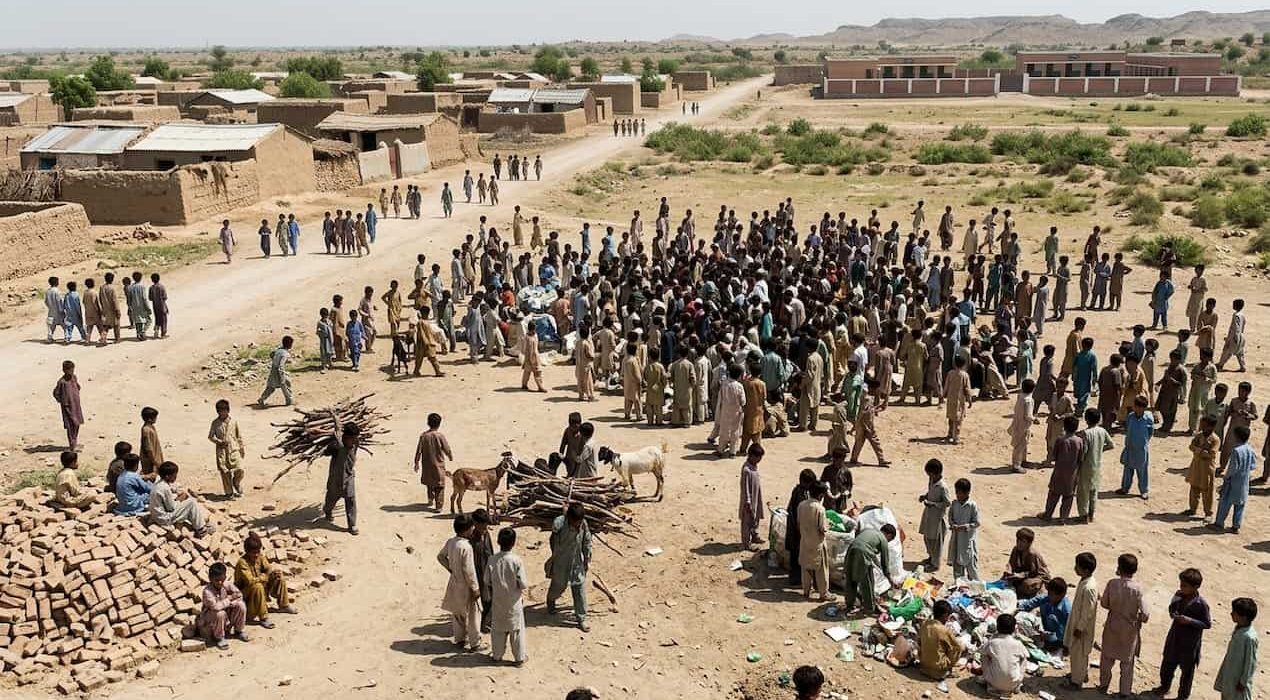
Punjab has the highest number of out-of-school children. Many children never enroll, while others leave school before completing their education. In addition, rural districts report much higher dropout rates than cities because of poverty and child labor.
Sindh faces a different problem. Most children start primary school but fail to continue. The shortage of middle and secondary schools creates a major bottleneck. Flood damage, poverty and social barriers also limit girls’ education.
Khyber Pakhtunkhwa struggles with difficult terrain, security concerns and a shortage of female teachers. Meanwhile, Balochistan continues to face serious infrastructure gaps. Many schools still lack electricity, sanitation and boundary walls, making education difficult for thousands of children.
Funding gaps delay education reforms
The review also highlights challenges in Islamabad, Gilgit-Baltistan and Azad Jammu and Kashmir. Rural communities continue to report high dropout rates. Therefore, many children remain outside the formal education system.
Low public spending remains another major concern. Most provincial education budgets cover salaries instead of development projects. Finally, the report recommends a National Student Registry linked with Nadra’s B-Form system. This database would track enrolment, attendance and dropouts in real time. Better data would help governments target resources and improve school access across Pakistan.