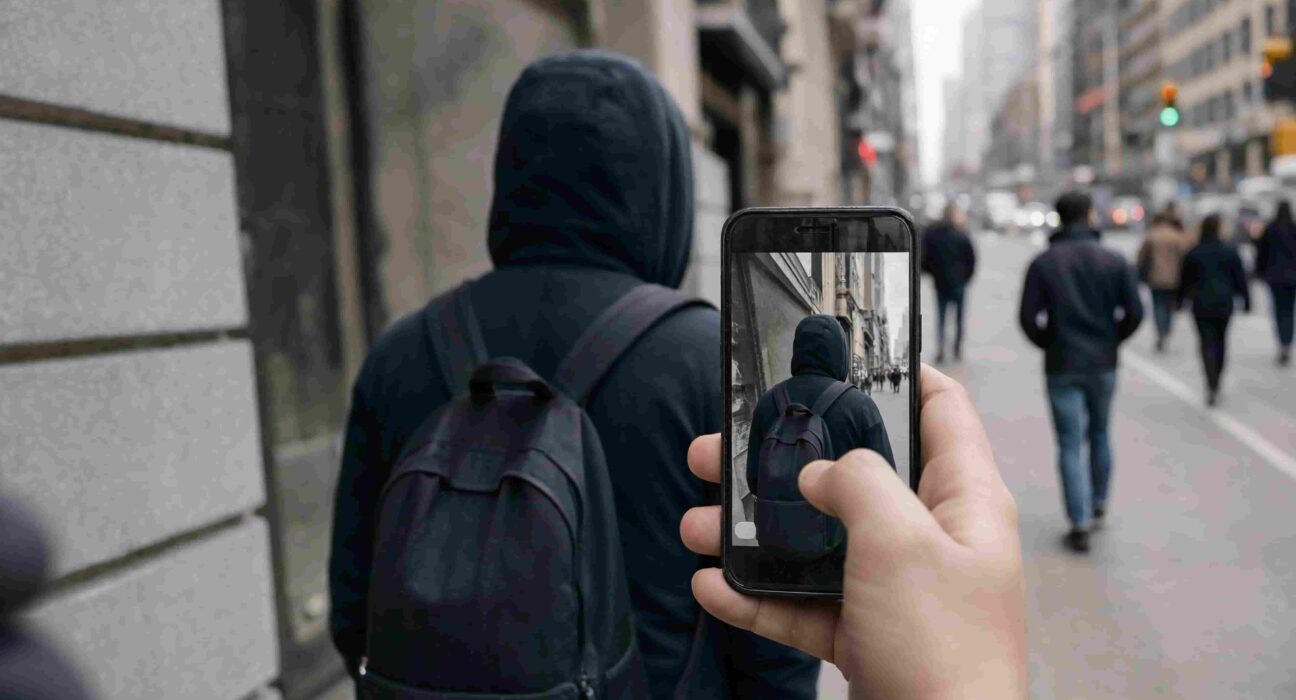
Street Videos Target Vulnerable People, Sparking Privacy Concerns
Street video exploitation has sparked public outrage after creators shared videos of vulnerable people on social media. Many clips show individuals in Newcastle who appear affected by drugs or alcohol. Critics say the recordings invade privacy and encourage online ridicule.
A petition demanding action from Newcastle City Council and Northumbria Police has collected more than 5,000 signatures. Campaigners want stronger enforcement against non-consensual filming and better protection for vulnerable adults.
Campaigners Raise Safeguarding Concerns
Petition organiser Christine Gray believes many people shown in the videos cannot provide informed consent. She argues that creators profit while exposing individuals during their most difficult moments. Therefore, she wants clearer guidance on filming vulnerable people in public spaces.
Several videos use hashtags such as “funny videos,” which critics believe encourage mockery. Meanwhile, homeless charity The People’s Kitchen supports the campaign because some of its service users appear in the footage. The charity says the recordings feel exploitative rather than helpful. Privacy experts also warn that sharing videos online without consent may create legal risks. Although filming in public remains lawful in the UK, publishing identifiable footage could breach data protection rules in certain situations.
Creators Defend Their Content
Content creators Michael Ballymore and Tin tin reject accusations that they target vulnerable people. They say their videos highlight homelessness, addiction, and social issues instead of mocking individuals. The pair also claim they have provided food, clothing, temporary accommodation, and support referrals for homeless people. In addition, they explain that their smart glasses display a recording light while filming.
However, campaigners insist awareness should never come at the expense of dignity or privacy. They argue vulnerable people deserve respect, consent, and protection both offline and online. The debate continues as authorities consider growing public concerns over social media content and personal privacy.