Student Activism and the Power of Young Voices in Australia
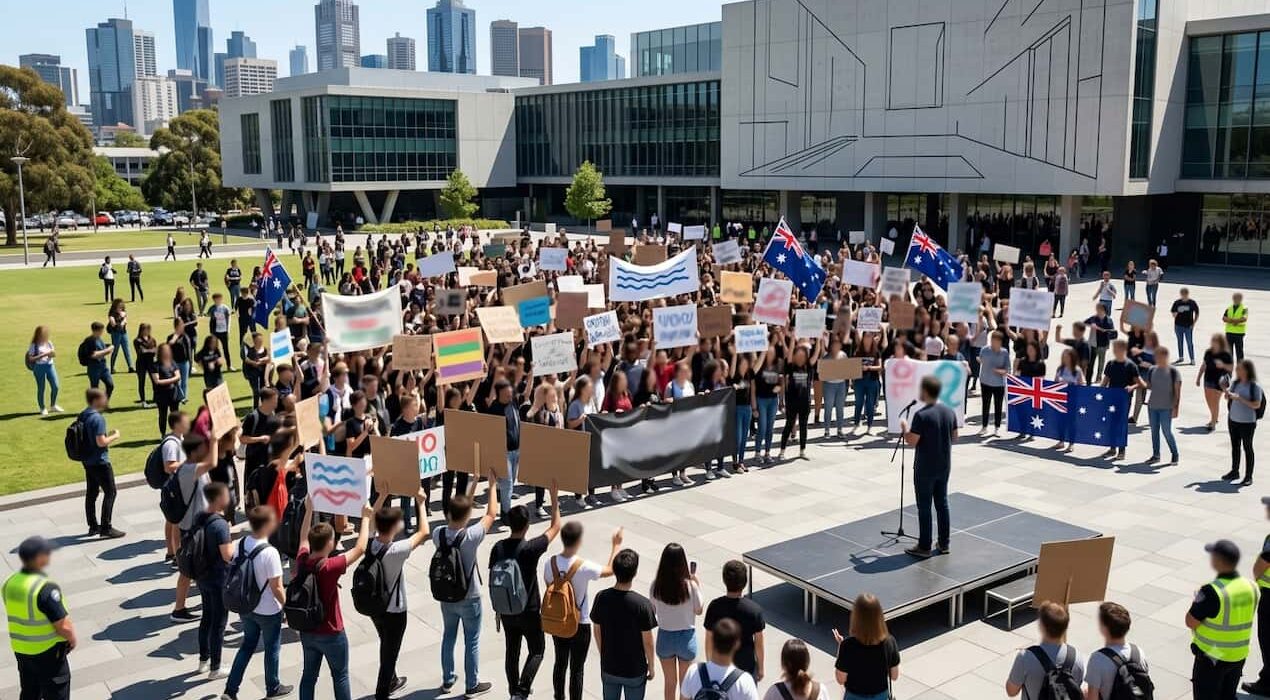
Hundreds of Australian students are expected to join a nationwide walkout against Pauline Hanson and One Nation. Organisers describe the protest as a stand against racism and the far right.
The walkout has also sparked criticism from some politicians and commentators. They question whether students understand the political issues behind their protests.
However, this debate raises a wider question. Should young people wait until they can vote before taking part in political life?
Students Find Other Ways to Make Their Voices Heard
School attendance rules usually limit when students can miss classes. Yet young people also have civic and political rights.The United Nations Convention on the Rights of the Child supports young people’s right to association and participation. Elected representatives also make decisions that affect children and teenagers.
Therefore, young people have reasons to express their views. Voting is only one way to participate in democracy.Research also challenges the idea that young people lack political understanding. Many students engage deeply with issues affecting their lives and communities.
Studies show that young people often use protests and other actions to make their voices heard. They may focus on climate change, racism, inequality, war, violence, or social media.In one major research project, researchers analysed more than 22,500 student entries. The findings showed strong views about major social and political challenges.
Student Activism Can Shape Society
Political participation can help young people understand their rights. It can also teach them how democratic systems work.Protests can provide practical lessons that classrooms cannot always offer. Students can learn how to organise, communicate, debate, and advocate for change.
Australia also has a long history of student activism. Earlier school protests addressed issues such as gender segregation and corporal punishment.More recently, young climate activists have pushed governments to consider their interests. Their campaigns have also influenced public debates about climate policy.
However, student protests do not always produce immediate results. Some campaigns may fail to achieve their main goals.Even so, participation can strengthen democratic engagement. It also reminds political leaders that young people have a stake in society’s future.Young people may not have voting rights yet. Still, they live with the consequences of political decisions.
Giving them space to participate can therefore strengthen democracy. Their voices deserve serious consideration, even when adults disagree with their views.