Student Learning Gap Highlights Education Challenges in Pakistan
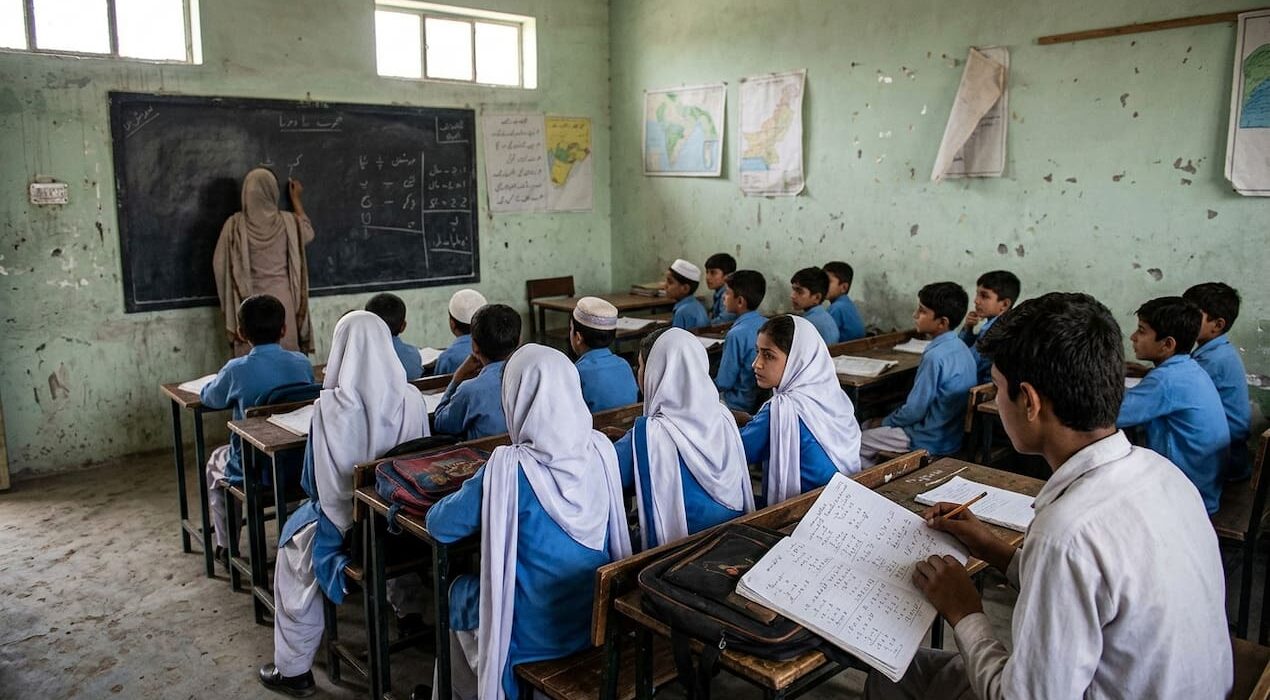
The Student Learning Gap continues to raise concerns across Pakistan, according to the latest findings from Gallup Pakistan. The report shows that many children spend years in school but still struggle with basic reading and mathematics skills. As a result, education experts are urging policymakers to focus more on learning outcomes rather than enrollment figures alone.
The findings reveal that many students do not reach expected academic standards at their grade level. Although school participation has improved in recent years, learning progress has not kept pace. Therefore, experts believe Pakistan must address classroom learning challenges to improve educational quality.
Reading and Numeracy Skills Remain Weak
The report highlights significant learning difficulties among primary school students. By Class 5, only 52.3 percent of children can read a Class 2-level story in Urdu, Sindhi, or Pashto. In addition, only 56.3 percent can read simple English sentences.
Mathematics performance also remains below expectations. The survey found that only 49.6 percent of Class 5 students can solve a two-digit division problem. These results suggest that many children struggle to master fundamental skills despite spending several years in school.
The situation appears even more concerning in lower grades. By Class 3, only 12.4 percent of students can read a story in Urdu, Sindhi, or Pashto. Similarly, only 13.8 percent can read English sentences. Furthermore, just 9.1 percent can solve division questions successfully.
These findings indicate that many students fall behind during the early years of education. Consequently, they may face greater academic challenges as they move to higher grades.
School Type Creates the Largest Learning Divide
Gallup Pakistan found that students in private schools generally perform better than students in government schools. However, learning outcomes remain far from satisfactory in both sectors. Therefore, the report suggests that the overall education system needs improvement.
The study also found relatively small differences based on gender and location. Boys and girls performed at similar levels, while rural and urban students showed only modest variations. In contrast, the gap between private and government schools remained much wider.
Education experts stress the need for stronger teaching methods, better classroom support, and improved learning assessments. As a result, schools can help more children develop essential literacy and numeracy skills. Addressing the Student Learning Gap will remain critical for improving educational outcomes and preparing students for future success.