Türkiye’s Education Funding Gap Widens as Free School Lunch Bill Rejected
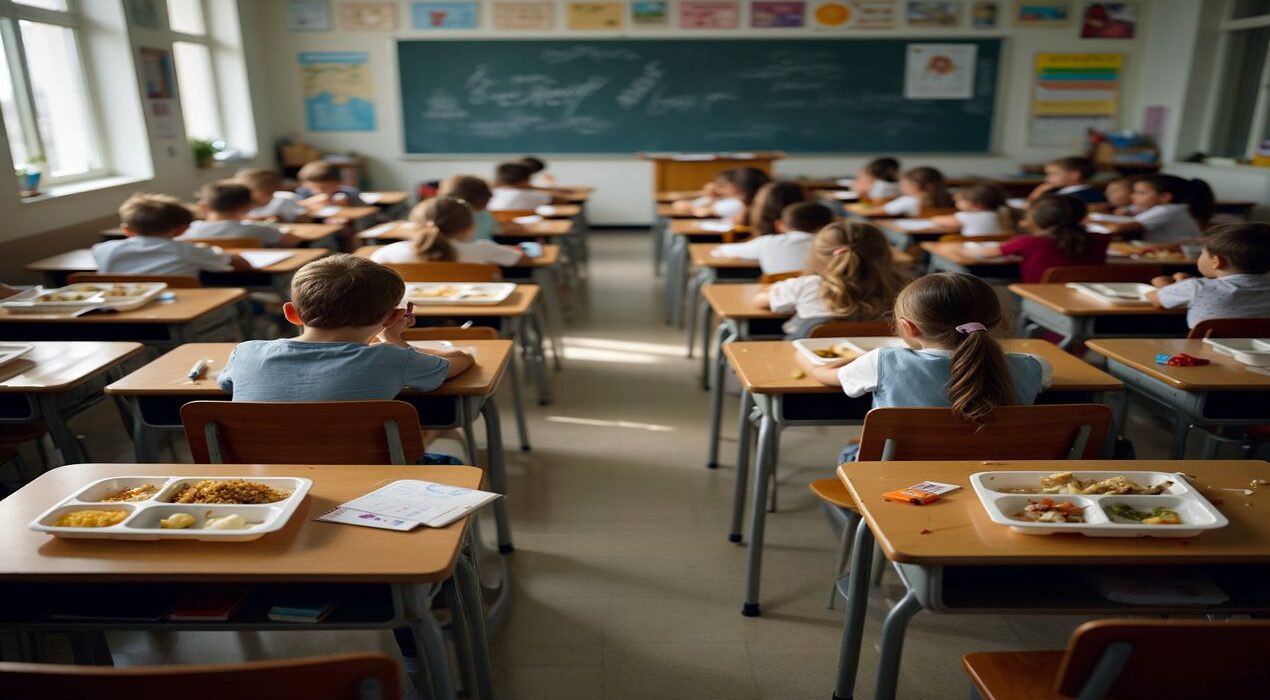
This week, Türkiye’s Parliament rejected a bill to offer free school lunches to students. Critics called it a “budget burden.” However, economists argue the real loss comes from not investing in children’s health and learning.
Studies show that for every £1 spent on free school meals, the economy gains about 1.5 times that value. Healthier students learn better, attend more regularly, and perform stronger academically.
Families Carry the Load
According to a new report by TUSIAD and ERG, Türkiye spends only 2.6% of its GDP on education. This is far below the global average of 4.5%. As a result, families now pay about 20% of total education costs.
Private tutoring, meals, and transportation have become major expenses. Therefore, access to quality schooling often depends on family income. The report urges the government to provide free meals, transport aid, and scholarships. These are not handouts but investments in social stability and equal opportunity.
Early Education Still Neglected
Only 7% of the education budget goes to preschool, while nearly one-third funds higher education. This imbalance starts inequality early and keeps it growing. Preschool in Türkiye is still neither free nor mandatory.
In addition, many students face hunger at school. One in three reports skipping breakfast, and one in five has gone hungry in the past month.
Experts say Türkiye must prioritize early education, digital learning, and resilient school infrastructure. Otherwise, it risks widening social gaps and losing long-term growth.