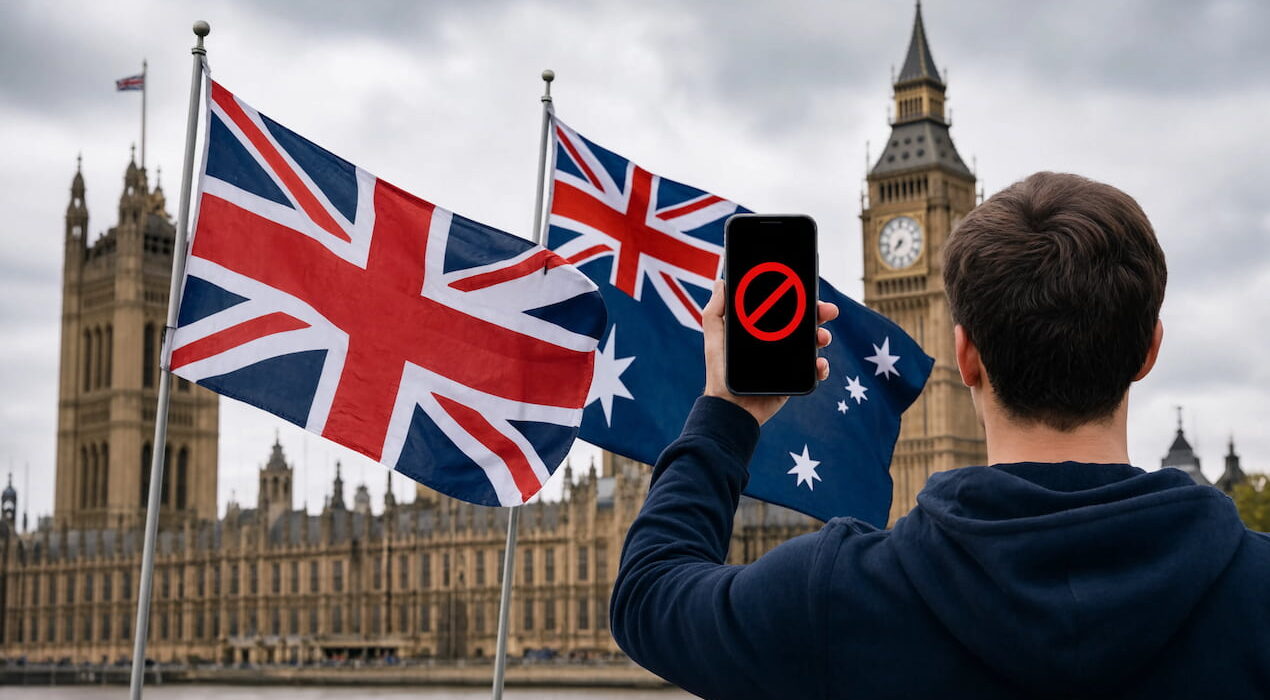
UK Social Media Ban Faces Questions After Australia Results
The UK social media ban proposal continues to spark debate among privacy experts and child safety groups. Supporters believe the measure could protect young people online. However, evidence from Australia suggests the approach may not deliver the expected results. Australia introduced restrictions that prevent children under 16 from accessing major social media platforms. Despite the rules, many teenagers continue using services such as Snapchat, Instagram, and TikTok. Recent studies found that most under-16 users still maintain active accounts.
Australian Data Raises Concerns
Research from Australia shows that social media companies often failed to remove existing accounts. As a result, many young users remained active without needing complex workarounds. The findings also challenge claims that teenagers mainly rely on VPNs. Only a small percentage reported using VPN services to bypass restrictions. Instead, many continued using their accounts because platforms had not enforced age checks.
Child safety organizations argue that the results highlight weaknesses in blanket bans. Some experts believe these measures create a false sense of security for parents. Others warn that children may hesitate to report harmful experiences if they think they could face consequences for using restricted platforms.
Privacy and Safety Debate Continues
Privacy advocates also question how authorities would enforce a ban effectively. Proposed methods include age verification tools, facial scans, and identity checks. However, critics worry these systems could increase privacy and cybersecurity risks for all users. Many experts support alternative solutions. They recommend stronger parental controls, improved digital education, and safer platform design. They also encourage technology companies to reduce harmful recommendation systems that expose children to dangerous content. The UK government continues to support restrictions for under-16 users. Nevertheless, critics urge policymakers to examine the Australian experience carefully. They argue that online safety efforts should focus on evidence-based solutions that protect children while preserving privacy and digital rights.