Vaping E-Cigarettes Linked to Early Lung Disease in Young Adults
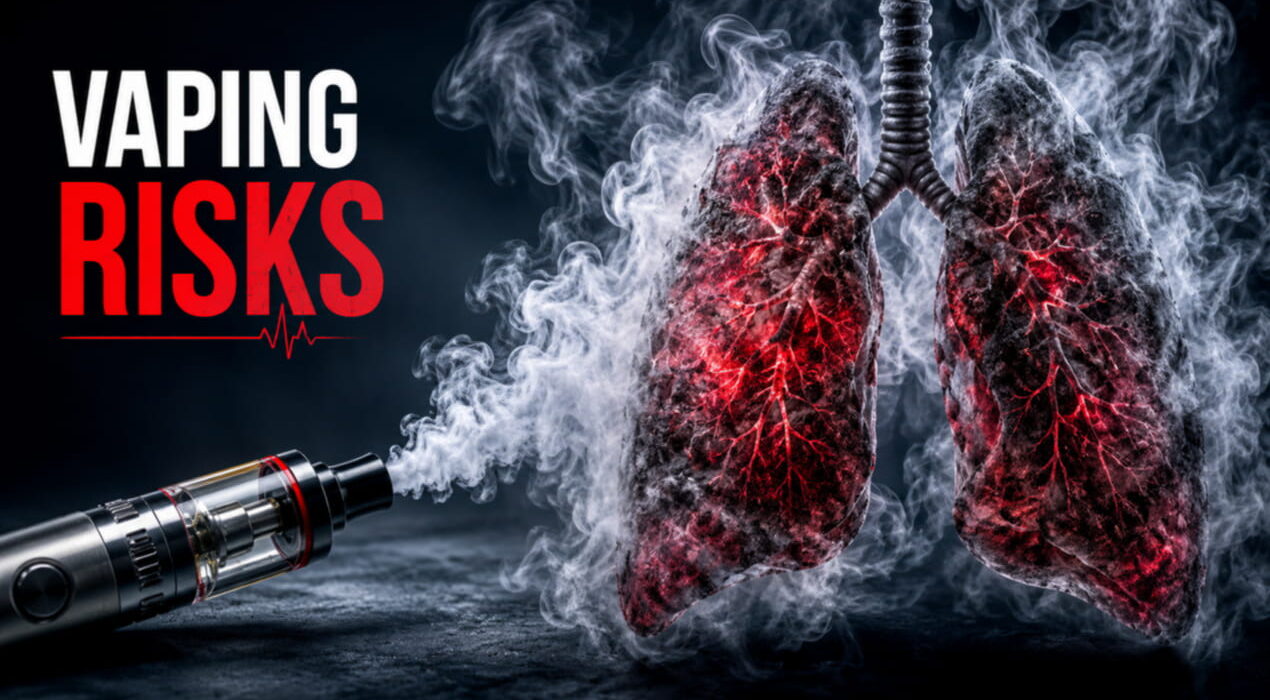
Young adults who use e-cigarettes may be showing early signs of lung and heart damage, according to new research from the University of Alberta. The study challenges the belief that vaping is a safer alternative to traditional smoking and suggests that regular e-cigarette use could have serious health consequences even in otherwise healthy young people.
Early Warning Signs Detected
Researchers compared 20 young adults who regularly used e-cigarettes with 20 non-users of similar age, height, and sex. The vaping group had used e-cigarettes for an average of 3.4 years and had never smoked tobacco cigarettes or marijuana. Participants completed a series of heart and lung stress tests, including cycling exercises and lung blood-flow assessments.
Although standard clinical tests showed normal lung function, the vaping group became short of breath at much lower exercise levels than non-users. Researchers also found reduced breathing efficiency and impaired blood flow in the lungs. These findings indicate early cardiopulmonary damage that may not yet be visible through routine medical examinations.
Researchers Surprised by Results
Lead investigator Professor Mike Stickland said the findings were stronger than expected. Researchers initially believed they might observe minor changes, but the results revealed clear signs of pulmonary impairment in young e-cigarette users. The study, published in the journal CHEST, highlights concerns about long-term exposure to vaping products and their impact on developing lungs and cardiovascular health.
Concerns Over Growing Vaping Trend
The researchers warn that vaping has become more common among youth and young adults than traditional smoking in countries such as Canada, the United States, and the United Kingdom. Experts say e-cigarettes expose users not only to nicotine but also to chemicals such as propylene glycol, glycerin, and various flavoring agents whose long-term inhalation effects remain unclear. Health experts are urging greater public awareness and stronger policies while further research continues into the lasting health risks of vaping among young adults worldwide.