Youth Indoctrination in Russia: How Education and Culture Serve State Power
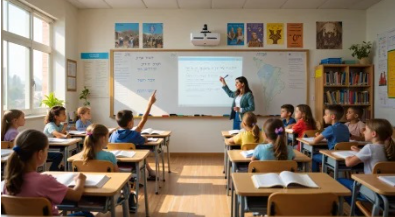
In Russia today, classrooms are not just for learning — they are tools of influence. Schools, universities, and cultural programs now play a key role in shaping young minds to support the state. Youth indoctrination in Russia begins early, blending lessons in patriotism with loyalty to authority.
Education as a Political Tool
Since the full-scale invasion of Ukraine, control over education has intensified. Teachers are expected to promote official narratives about the war and Russia’s role in the world. For example, “patriotic lessons” now replace critical discussions, while independent educators face pressure or dismissal.
Textbooks have been rewritten to glorify the government and erase alternative viewpoints. As a result, students grow up learning obedience instead of analysis. Many parents fear that their children’s future is being shaped by propaganda rather than truth.
Culture and Media Reinforcing the Message
The state’s influence extends beyond schools. Youth movements, films, and online platforms promote nationalism and heroism tied to military values. Art and literature once known for independent thought are censored or banned.
However, some educators and activists quietly resist. They create online communities that teach young people to question authority and seek reliable information. Their work shows that curiosity and critical thinking still survive — even under pressure.
Despite growing restrictions, the desire for free thought remains strong. Youth indoctrination in Russia may silence many voices, but it cannot fully erase the human need for truth and creativity.